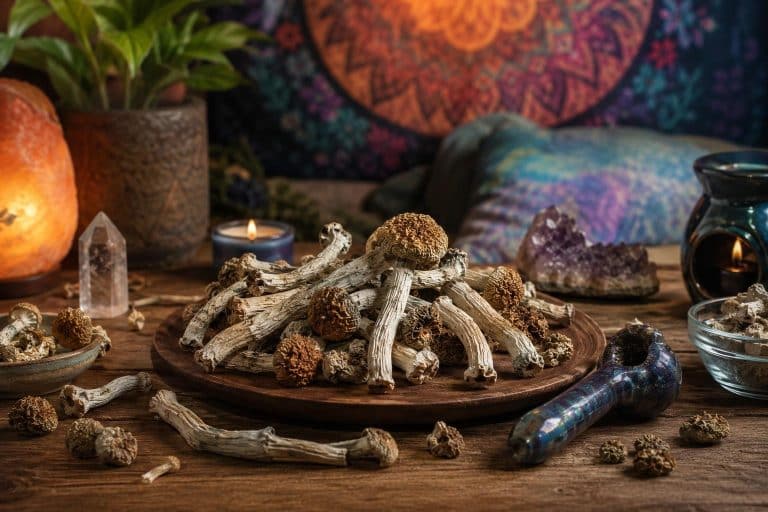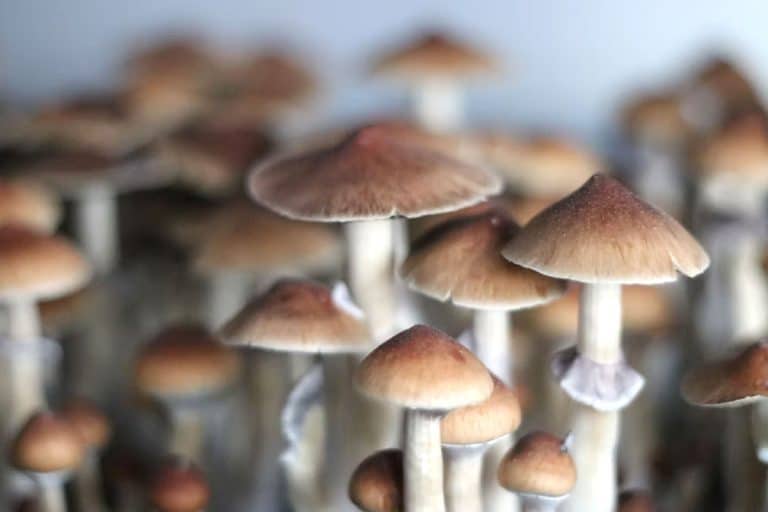
Magic mushrooms have attracted renewed attention as scientific interest in psilocybin and psychedelic medicine continues to expand. While dried mushrooms can be consumed in several ways, Mushroom Tea is one preparation that has become well known among people interested in psilocybin. Rather than consuming dried mushroom material directly, the mushrooms are steeped in liquid, producing a beverage containing extracted psychedelic compounds.
Psilocybin is the naturally occurring psychedelic compound found in certain mushroom species. Once consumed, the body converts psilocybin into psilocin, which interacts primarily with serotonin receptors in the brain. This interaction can temporarily alter perception, mood, cognition, sensory processing, and a person’s experience of time and self.
Although some people prefer tea because they find drinking a liquid easier than consuming dried mushrooms, Magic Mushroom Tea remains a psychedelic preparation. Its effects can be powerful and unpredictable, and emerging clinical research on psilocybin should not be interpreted as proof that unsupervised consumption provides the same benefits as professionally supervised psychedelic therapy.
What Is Magic Mushroom Tea?
Magic Mushroom Tea generally refers to a beverage made by extracting compounds from mushrooms into hot or warm water. The term can describe ordinary functional mushroom beverages made with non-psychoactive species, but in psychedelic contexts it typically refers to mushrooms containing psilocybin.
Once ingested, psilocybin is metabolized into psilocin. Psilocin then acts on the brain’s serotonin system, particularly 5-HT2A receptors.
These neurological interactions contribute to the characteristic psychedelic experience.
Depending on numerous factors, people may experience changes in visual perception, heightened emotional sensitivity, altered thought patterns, changes in time perception, introspection, and unusual connections between ideas.
The effects are not identical for everyone, making individual variability one of the most important considerations surrounding psychedelic mushrooms.
How Magic Mushroom Tea Affects the Brain
Understanding Magic Mushroom Tea begins with understanding psilocybin.
After psilocybin is converted to psilocin, the latter binds to several serotonin receptors, with 5-HT2A receptor activity playing an especially important role in psychedelic effects.
Modern neuroimaging research suggests psilocybin can temporarily alter communication among different brain networks. Some established patterns of brain activity become less rigid, while communication between regions that normally interact less strongly may increase.
Scientists are particularly interested in changes involving the default mode network, which is associated with self-referential thinking, autobiographical memory, and aspects of personal identity.
These temporary changes may help explain experiences such as intensified introspection, altered perceptions of oneself, unusual thought associations, and the phenomenon sometimes described as ego dissolution.

What Does Mushroom Tea Feel Like?
The experience associated with Mushroom Tea can vary considerably.
Some people describe enhanced colors, more noticeable patterns, changes in sound perception, unusual visual effects, emotional openness, and a stronger appreciation of music or nature.
Others may experience deep introspection or feel that familiar ideas and memories have taken on new meanings.
Emotions can also become significantly amplified. Feelings of happiness, curiosity, wonder, and connectedness may occur, but anxiety, sadness, fear, confusion, or panic are also possible.
Several variables influence the experience, including the mushroom species, potency, amount consumed, individual physiology, psychological state, medications, expectations, and surrounding environment.
This variability makes it difficult to predict exactly how any individual will respond.
Why Some People Prefer Magic Magic Mushroom Tea
One commonly reported reason for choosing tea rather than eating dried mushrooms is the physical format.
Dried mushrooms have a distinctive flavor and texture that some people find unpleasant. A liquid preparation may be easier for certain individuals to consume.
Some users also report experiencing less gastrointestinal discomfort when consuming an extracted liquid rather than eating a larger quantity of mushroom material. However, nausea can still occur, and individual responses differ considerably.
Another perceived advantage is convenience. Tea can provide a familiar beverage format that some people find more approachable than consuming dried fungi.
These practical characteristics help explain the popularity of Mushroom Tea, but they do not eliminate the psychological or physiological risks associated with psilocybin.
Potential Mental Health Benefits Being Researched
Interest in psilocybin has grown substantially because researchers are investigating its potential role in mental healthcare.
Clinical research has examined psilocybin-assisted interventions for depression, including difficult-to-treat forms of depression. Studies have also explored anxiety and depression associated with serious illness, as well as substance-use disorders and other psychiatric conditions.
Some participants in controlled studies have experienced meaningful improvements in symptoms.
However, these findings need appropriate context.
Clinical psychedelic studies typically involve carefully selected participants, known doses, psychological preparation, controlled environments, professional supervision, and follow-up integration. Drinking Magic Mushroom Tea independently is not equivalent to receiving psilocybin-assisted psychotherapy.
Consumers should therefore avoid assuming that therapeutic findings automatically apply to recreational or unsupervised psychedelic use.
Psilocybin and Psychological Flexibility
One emerging area of psychedelic research involves psychological flexibility.
Certain mental health conditions can involve repetitive or rigid patterns of thinking. Depression, for example, may involve persistent negative self-evaluation and rumination.
Researchers are investigating whether psilocybin temporarily makes established patterns of brain activity and cognition more flexible.
During psychedelic experiences, people sometimes report examining memories, emotions, or relationships from perspectives that feel unfamiliar. Within a therapeutic setting, these experiences may provide material that can subsequently be explored with psychological support.
The psychedelic experience itself, however, doesn’t guarantee positive change. Challenging emotions can emerge alongside potentially meaningful insights.
Psilocybin and Neuroplasticity
Neuroplasticity refers to the brain’s ability to modify neural connections and adapt in response to experience.
Preclinical research suggests serotonergic psychedelics may influence biological processes associated with neural plasticity. Scientists are investigating whether these changes could contribute to some of the psychological effects observed after controlled psilocybin administration.
This has led to the hypothesis that psychedelic experiences might create a temporary period of increased psychological or neurological flexibility.
Researchers are still determining exactly how these biological effects translate into human therapeutic outcomes.
Claims that psilocybin simply “rewires” or permanently “resets” the brain therefore go beyond what current evidence can confidently establish.
Magic Mushroom Tea and Emotional Experiences
One notable characteristic of Mushroom Tea and other psilocybin preparations is their potential to intensify emotions.
Positive feelings may become unusually powerful, but difficult emotions can become equally intense.
Some individuals report feelings of connection, gratitude, wonder, or emotional release. Others may encounter uncomfortable memories, fear, paranoia, confusion, or overwhelming thoughts.
This variability is one reason researchers emphasize psychological preparation and supportive environments during clinical studies.
The emotional intensity of psychedelic experiences shouldn’t be underestimated simply because psilocybin originates naturally in mushrooms.
The Importance of Set and Setting
“Set and setting” are commonly discussed in psychedelic research.
Set refers to the person’s internal circumstances, including mood, expectations, emotional state, and mindset. Setting describes the surrounding physical and social environment.
Both can influence the psychedelic experience.
A calm environment and supportive circumstances may reduce certain sources of stress, whereas unfamiliar, chaotic, or unsafe surroundings can potentially make confusion or anxiety more difficult to manage.
Clinical trials carefully control these variables whenever possible.
This is another important difference between psychedelic research and independent consumption of Magic Mushroom Tea.
Risks and Important Considerations
Psilocybin is not risk-free.
Possible short-term adverse effects include nausea, dizziness, headache, anxiety, panic, confusion, increased blood pressure or heart rate, and impaired judgment.
Because perception and coordination can become substantially altered, driving, swimming, operating machinery, or participating in other potentially dangerous activities while intoxicated can create serious safety risks.
Psychological factors also matter. People with certain mental health histories may face additional risks from psychedelic substances, which is one reason clinical studies use careful participant screening.
Medication interactions are another important consideration. People taking prescription medications should consult an appropriate healthcare professional before considering psychedelic substances rather than stopping or changing medication independently.

Magic Mushroom Tea vs Eating Dried Mushrooms
Both preparations ultimately involve many of the same psychoactive compounds, but their subjective experiences can differ.
Some people report that Mushroom Tea feels easier on the stomach or that effects seem to begin differently compared with consuming dried mushrooms. Such experiences can vary substantially and shouldn’t be treated as guaranteed outcomes.
Potency is another major variable.
The concentration of psychedelic compounds naturally differs between mushroom species and even between individual specimens. Without standardized laboratory testing, appearance alone cannot reliably determine potency.
Changing the method of consumption does not make unpredictable potency disappear.
Legal Considerations
Psilocybin laws differ significantly between countries, provinces, states, and municipalities.
Some jurisdictions prohibit possession and sale, while others have introduced limited therapeutic programs, exemptions, decriminalization policies, or regulated access frameworks.
Legal status can also change over time.
Anyone considering psilocybin-containing products should therefore verify the current rules that apply specifically to their location rather than assuming that online availability means a product is legally authorized.
Understanding Magic Mushroom Tea Responsibly
Interest in Mushroom Tea reflects a much broader resurgence in psychedelic research.
Scientists are studying psilocybin’s effects on serotonin signaling, brain connectivity, emotional processing, psychological flexibility, and potentially neuroplasticity. Clinical research has produced encouraging findings in several areas, particularly depression, while many important questions about safety, patient selection, durability of benefits, and therapeutic protocols remain.
The distinction between clinical research and independent psychedelic use is particularly important.
A professionally supervised research session involves controlled dosing, screening, preparation, monitoring, and psychological support. An independently prepared beverage does not provide those safeguards.
Final Thoughts
Magic Mushroom Tea offers an alternative format for consuming psilocybin-containing mushrooms, and its popularity reflects growing cultural and scientific interest in psychedelics. Potentially desirable characteristics include avoiding the texture of dried mushrooms and providing a beverage-based format, while psilocybin itself continues to be investigated for possible applications in depression, serious-illness-related emotional distress, addiction, and other areas.
Those potential benefits must be balanced against unpredictable potency, psychological reactions, physical side effects, medication considerations, impaired judgment, and legal restrictions.
For adults interested in mushroom-related products where their purchase and possession are legally permitted, Supreme Dispensary can be considered as an online destination for exploring available options. Consumers should check current local regulations and product information before purchasing, while anyone considering psilocybin specifically for depression, anxiety, or another health condition should discuss appropriate treatment options and individual risks with a qualified healthcare professional.
-
High Tea Co. Mix & Match – 3
Original price was: $30.$27Current price is: $27.