Showing 1–24 of 25 results

Shrooms FAQs – Magic Mushrooms, Psilocybin Mushrooms & Psychedelic Mushrooms

1. What Are Shrooms?

Shrooms is a common informal term for Magic Mushrooms that naturally contain psychoactive compounds such as psilocybin and psilocin. They are also known as Psilocybin Mushrooms or Psychedelic Mushrooms. Different species and varieties can vary substantially in appearance, chemical composition, and concentration of active compounds.

2. Are Shrooms and Magic Mushrooms the Same?

Yes. In most contexts, Shrooms and Magic Mushrooms describe the same broad category of psilocybin-containing fungi. The term Psilocybin Mushrooms is more specific because it refers to mushrooms containing psilocybin, the psychedelic compound that is converted into psilocin in the body.

3. What Is Psilocybin?

Psilocybin is a naturally occurring psychedelic compound found in certain species of Magic Mushrooms. After entering the body, psilocybin is converted into psilocin, which interacts with serotonin receptors in the brain. Scientific researchers continue to study psilocybin and Psychedelic Mushrooms for their effects on perception, mood, cognition, and consciousness.

4. What Types of Shroom Products Exist?

The broader Shrooms category may be discussed in several formats, including Dried Shrooms, Mushroom Capsules, Mushroom Edibles, Mushroom Chocolates, and other Psilocybin Products. These formats can differ significantly in ingredients, formulation, labeling, and concentration, and their regulatory status depends on the jurisdiction.

5. What Is the Difference Between Dried Shrooms and Mushroom Edibles?

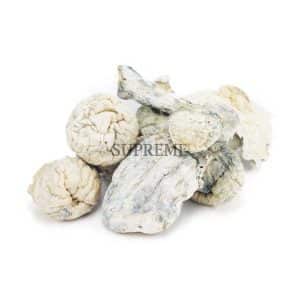
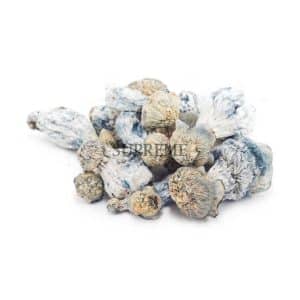
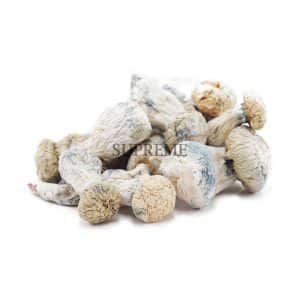
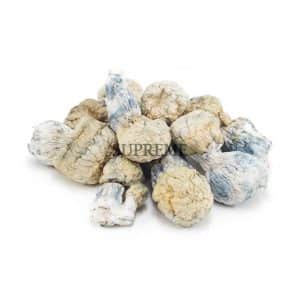
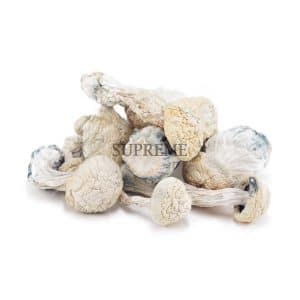
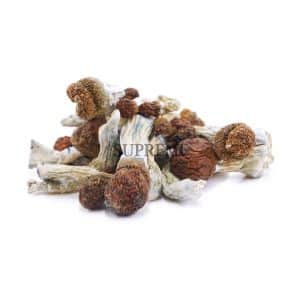
Dried Shrooms retain the recognizable physical form of dried psilocybin mushrooms, whereas Mushroom Edibles combine mushroom-derived material or extracts with food ingredients. Products described as Magic Mushroom Edibles may include chocolate or other confectionery formats. Appearance alone cannot reliably confirm the contents or concentration of an edible product.

6. What Is the Difference Between Shrooms and Functional Mushrooms?

Shrooms or Magic Mushrooms contain psychedelic compounds such as psilocybin, whereas Functional Mushrooms such as Lion’s Mane, Reishi, Cordyceps, and Chaga are non-psychoactive. These categories differ in chemical composition, research applications, regulatory status, and their effects on the body.

7. Why Can the Potency of Psilocybin Mushrooms Vary?

The potency of Psilocybin Mushrooms can vary because individual mushrooms may contain different concentrations of psilocybin and psilocin. Species, genetics, growing conditions, storage, and biological variation can all influence chemical composition. For this reason, the appearance, size, or name of Shrooms should not be treated as an accurate measure of potency.

8. What Are the Risks Associated With Shrooms?

Shrooms can cause significant changes in perception, mood, thinking, and consciousness. Possible effects can include anxiety, fear, nausea, changes in heart rate, confusion, and unpredictable psychological reactions. Another concern is mushroom identification because some poisonous species can resemble Psilocybin Mushrooms or other wild mushrooms.

9. Are Shrooms Legal in Canada?

Shrooms, Psilocybin Mushrooms, psilocybin, and psilocin are controlled under Canadian law. Their possession, production, and sale are generally prohibited unless specifically authorized. Certain regulated pathways may provide access for clinical research, Health Canada’s Special Access Program, or qualifying exemptions.

10. Why Are Shrooms and Psilocybin Being Studied?

Researchers are studying Shrooms and Psilocybin because psychedelic compounds can affect serotonin signaling, perception, mood, and cognition. Clinical research has investigated potential applications in several mental-health contexts, but research findings do not mean that unregulated Magic Mushroom Products, Psilocybin Edibles, or Mushroom Capsules are approved medical treatments.