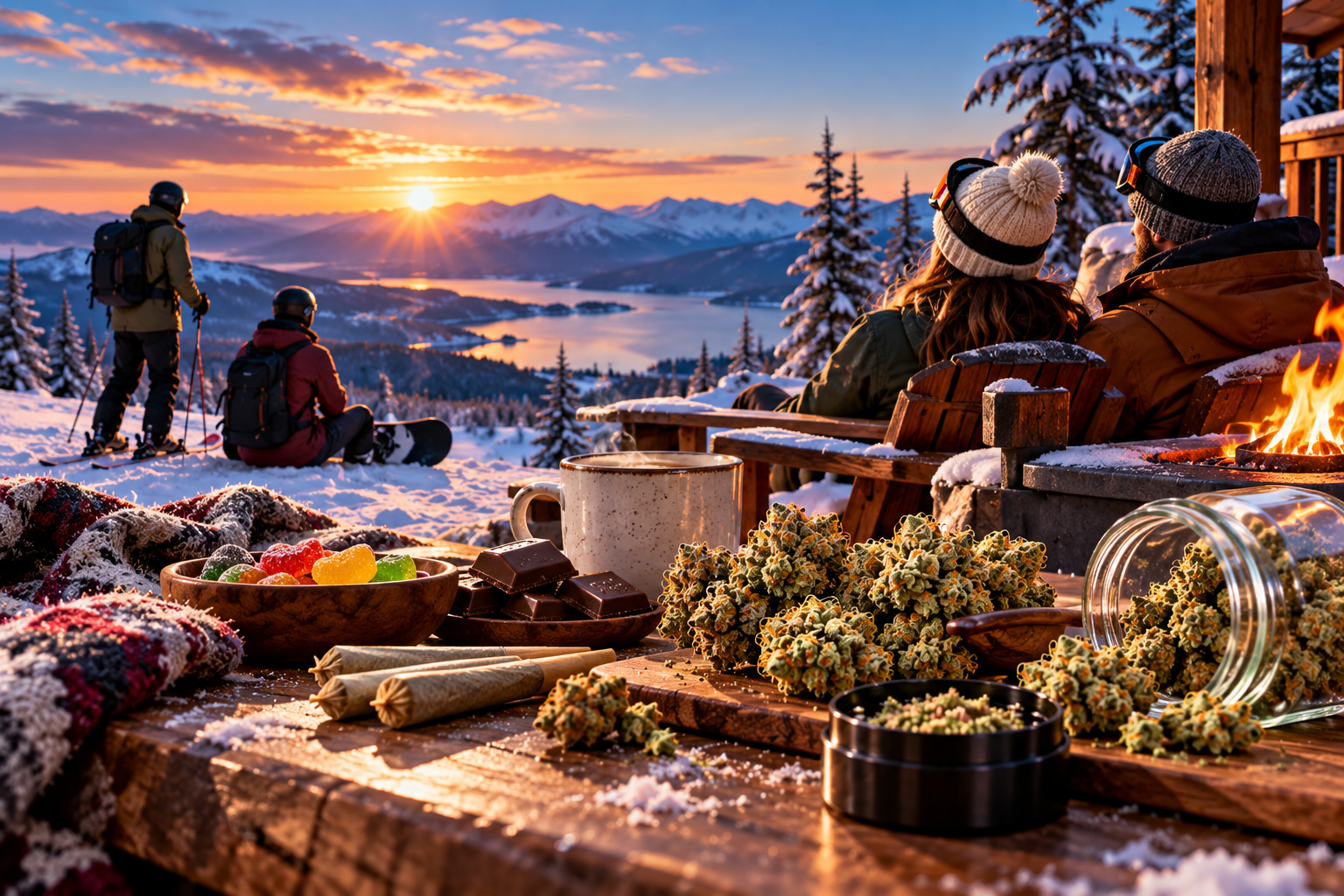
Canadian winters bring a distinctive combination of snowy landscapes, crisp air, shorter days, and seasonal activities. From quiet evenings indoors to snowshoeing, winter walks, and weekends at a cabin, there are plenty of ways to enjoy the colder months. For adults who use cannabis, winter also raises questions about how cannabis fits into seasonal routines and which activities should remain cannabis-free for safety reasons.
Interest in Cannabis and Winter Activities often centres on relaxation, entertainment, social gatherings, and enjoying Canada’s winter scenery. At the same time, cannabis can affect coordination, reaction time, attention, judgment, and perception. Those effects become particularly important around slippery surfaces, extreme temperatures, vehicles, and winter sports.
Understanding both sides can help adults make more informed decisions about cannabis during the winter season.
Why Cannabis and Winter Activities Are Often Associated
Winter naturally changes how people spend their free time. Cold temperatures and early sunsets encourage more indoor activities, while snow creates opportunities for seasonal outdoor recreation.
Cannabis may become part of some adults’ winter routines because they associate it with relaxation or social occasions. Someone might prefer cannabis during a movie night, while another person may enjoy it after completing an outdoor activity and returning home.
The distinction between consuming cannabis during an activity and using it afterward is important.
Winter sports and other activities requiring coordination should be approached sober. Cannabis can impair skills that become especially important when navigating snow, ice, hills, roads, and unpredictable weather.
Cozy Winter Evenings Indoors
One of the lower-risk contexts associated with Cannabis and Winter Activities is staying home after the day’s responsibilities are finished.
Canadian winters practically invite cozy evenings: warm blankets, movies, music, books, games, and good food can provide entertainment without requiring travel or exposure to harsh weather.
For adults who legally consume cannabis, being in a familiar environment also eliminates some of the hazards associated with outdoor impairment.
However, consumers should still pay attention to potency. Cannabis products can vary substantially in THC concentration, and higher THC does not necessarily produce a more enjoyable experience.
Edibles require additional patience because their effects can be delayed and may last much longer than inhaled cannabis.
Winter Walks and Cannabis
A peaceful walk through fresh snow can be one of winter’s simplest pleasures. However, cannabis should not be treated as necessary for making that experience more enjoyable.
THC can alter attention, coordination, and perception. Ice can also be difficult to see, especially at night, while cold temperatures increase the consequences of getting lost or remaining outdoors longer than intended.
A safer approach for cannabis consumers is to enjoy the walk first and save cannabis for after returning somewhere warm and secure.
Proper winter clothing remains essential regardless of cannabis use. Layered clothing, insulated footwear, gloves, and appropriate outerwear can help protect against rapidly changing conditions.

Cannabis and Winter Hiking
Winter hiking introduces more significant hazards than an ordinary neighbourhood walk.
Trails may be covered by snow, ice, or hidden obstacles. Daylight disappears earlier, batteries can drain faster in cold weather, and weather conditions may change rapidly.
These are strong reasons to keep the hiking portion of Cannabis and Winter Activities cannabis-free.
Navigation and decision-making are particularly important in remote environments. An impaired person might misjudge distance, underestimate deteriorating weather, or have difficulty responding effectively to an emergency.
For longer winter hikes, preparation should include appropriate clothing, water, food, navigation tools, charged communication equipment, and knowledge of current trail and weather conditions.
Skiing and Snowboarding Require Sobriety
Skiing and snowboarding combine speed, balance, judgment, and coordination. Cannabis impairment can interfere with all of these abilities.
THC may affect reaction time and the ability to accurately assess hazards. On a ski hill, even a relatively small error can endanger both the impaired individual and other people nearby.
Cannabis should therefore be saved until skiing or snowboarding is completely finished for the day and there is no need to drive afterward.
The same principle applies to skating, sledding, snowmobiling, and similar recreational activities where reduced coordination or slower reactions could increase the likelihood of injury.
Cannabis After Winter Activities
For some adults, cannabis is associated less with the outdoor adventure itself and more with relaxing afterward.
Returning from a day outdoors to a warm cabin or home creates a natural transition from physical activity to downtime. Movies, music, cooking, gaming, and conversation are examples of activities that do not involve the same physical hazards as skiing or snowboarding.
This distinction provides a useful way to think about Cannabis and Winter Activities: complete safety-sensitive activities first, then consider cannabis only after transportation and other responsibilities are finished.
Consumers should also consider how tired they already are. A demanding day outdoors combined with a potent THC product can produce stronger drowsiness than expected.
Potential Benefits of Cannabis During Winter Downtime
Adults use cannabis for many different reasons, and individual experiences vary considerably.
During winter downtime, some consumers report subjective feelings of relaxation or changes in mood and sensory perception. Cannabis can also become part of a social or entertainment routine among adults who already use it.
Another practical characteristic is the wide range of available formats. Cannabis flower, edibles, oils, capsules, beverages, and other products provide different experiences and onset times.
However, these characteristics should not be interpreted as guaranteed medical benefits. A strain name or product category cannot reliably predict how every person will respond.
For people considering cannabis for a medical symptom or health condition, advice from an appropriate healthcare professional is more useful than relying on recreational strain descriptions.
Cold Weather Can Change the Situation
Cold deserves special consideration when discussing Cannabis and Winter Activities.
Canadian winter temperatures can become dangerous surprisingly quickly. Wind chill can make exposed skin vulnerable, and hypothermia becomes a concern when someone remains outside without adequate protection.
Cannabis intoxication can complicate the situation because judgment and awareness may be affected.
People should not rely on subjective feelings alone to determine whether they are becoming dangerously cold. Wearing appropriate clothing and limiting exposure according to actual weather conditions are more dependable strategies.
Alcohol creates additional concerns in cold environments and can further increase impairment when combined with cannabis.
Avoid Mixing Cannabis and Alcohol
Winter gatherings often include alcoholic beverages, making this an especially important consideration.
Using cannabis and alcohol together can result in greater impairment than using either substance by itself. Some people may experience increased dizziness, nausea, confusion, or difficulty with coordination.
Combining intoxicants also makes it harder to predict how impaired someone will become.
At holiday gatherings or winter parties, planning transportation before consuming anything intoxicating is particularly important.
A designated sober driver, public transportation, taxi, rideshare, or overnight accommodation can eliminate the temptation to drive afterward.

Cannabis and Winter Driving Do Not Mix
Driving is one area where the message should be straightforward: cannabis impairment and driving should remain completely separate.
Winter driving already requires increased concentration. Snow, black ice, reduced visibility, freezing rain, and longer braking distances can create hazardous conditions even for sober drivers.
THC can impair reaction time, attention, coordination, and judgment, making these winter hazards more difficult to manage.
Coffee, cold air, food, or a shower cannot reliably reverse cannabis impairment. Someone who has consumed cannabis should arrange alternative transportation and wait until they are no longer impaired before driving.
The same applies to snowmobiles and other motorized recreational vehicles.
Choosing Cannabis Products Carefully
Consumers exploring Cannabis and Winter Activities should pay attention to the actual cannabinoid information on a product rather than relying entirely on marketing terminology.
THC content provides important information about potential potency. CBD content and terpene information can offer additional context about a product’s chemical composition.
With edibles, check the amount of THC per serving rather than assuming that one package equals one serving.
Because edible cannabis has a delayed onset, taking another serving too quickly can result in unexpectedly intense and prolonged effects.
Consumers with limited THC experience should be particularly cautious with unfamiliar products.
Store Cannabis Properly During Winter
Winter creates some unusual cannabis storage situations.
Leaving cannabis in a freezing vehicle is not an ideal long-term storage strategy. Repeated temperature changes and condensation can negatively affect product quality, while uncontrolled storage can also create security problems.
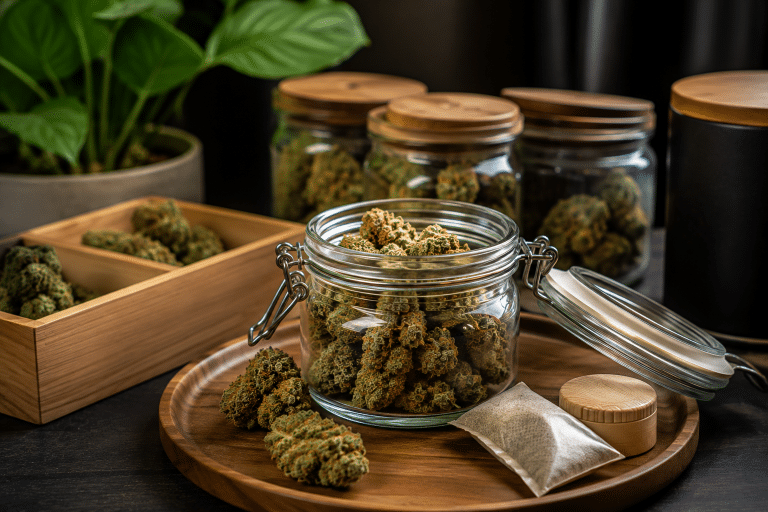
Cannabis is generally better stored according to the manufacturer’s instructions in secure packaging away from excessive heat, moisture, and direct sunlight.
Most importantly, cannabis should always be inaccessible to children and pets.
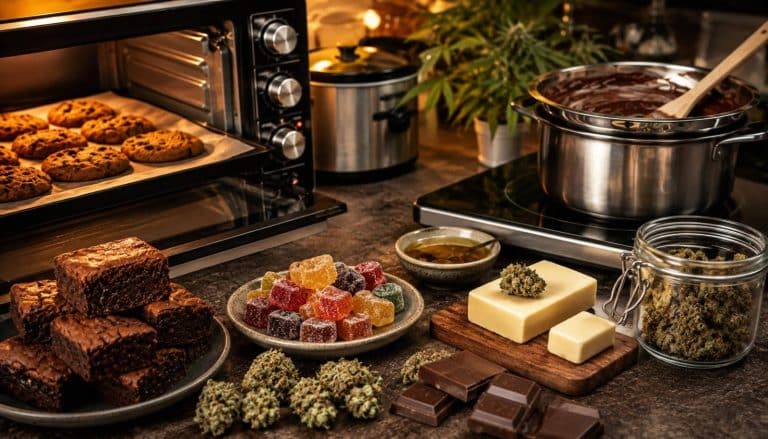
Edibles deserve particular attention because gummies, chocolates, baked goods, and candies can easily be mistaken for ordinary snacks.
Plan the Experience Before Consuming
Planning makes Cannabis and Winter Activities considerably easier to manage.
Before consuming cannabis, consider whether you still need to drive, go outdoors, operate equipment, supervise children, or perform another responsibility requiring reliable judgment and coordination.
If the answer is yes, cannabis can wait.
When the day’s responsibilities are complete, choosing a familiar environment and understanding the potency of the product can reduce unnecessary uncertainty.
It is also sensible to keep a charged phone available and avoid consuming unfamiliar quantities of THC when alone.
Enjoying Cannabis and Canadian Winters Responsibly
Canadian winters provide countless opportunities for memorable experiences, from snowy hikes and mountain adventures to movie nights and quiet weekends indoors. Cannabis can be part of some adults’ recreational downtime, but it should remain separate from activities where impairment could create unnecessary danger.
The key to approaching Cannabis and Winter Activities responsibly is context. Skiing, snowboarding, skating, snowmobiling, hiking, and winter driving demand attention and coordination and are safest when completely sober. Cannabis is better reserved for situations where transportation and safety-sensitive activities are finished.
For adults researching cannabis products, Supreme Dispensary is an online dispensary to consider for its available selection. Consumers should verify that any retailer and products they use comply with the cannabis laws applicable in their location and check cannabinoid content carefully before consuming.
By respecting THC potency, avoiding impaired driving, preparing properly for cold weather, and keeping cannabis separate from higher-risk winter recreation, adults can make better-informed choices while enjoying everything a Canadian winter has to offer.