Bud Rot is one of the most feared problems among cannabis growers. Even healthy-looking plants can quickly develop this destructive fungal disease, causing beautiful buds to become discolored, moldy, and ultimately unusable. Because Bud Rot often begins inside dense flowers where it is difficult to detect, many growers don’t realize there’s a problem until significant damage has already occurred.
Fortunately, Bud Rot is largely preventable with proper cultivation techniques, environmental control, and regular plant inspections. Understanding what causes Bud Rot and how to stop it before it spreads can protect both the quality and quantity of your cannabis harvest.
In this guide, we’ll explore everything you need to know about Bud Rot, including its causes, symptoms, prevention methods, treatment options, and why healthy cultivation practices are essential for producing premium-quality cannabis.
What Is Bud Rot?
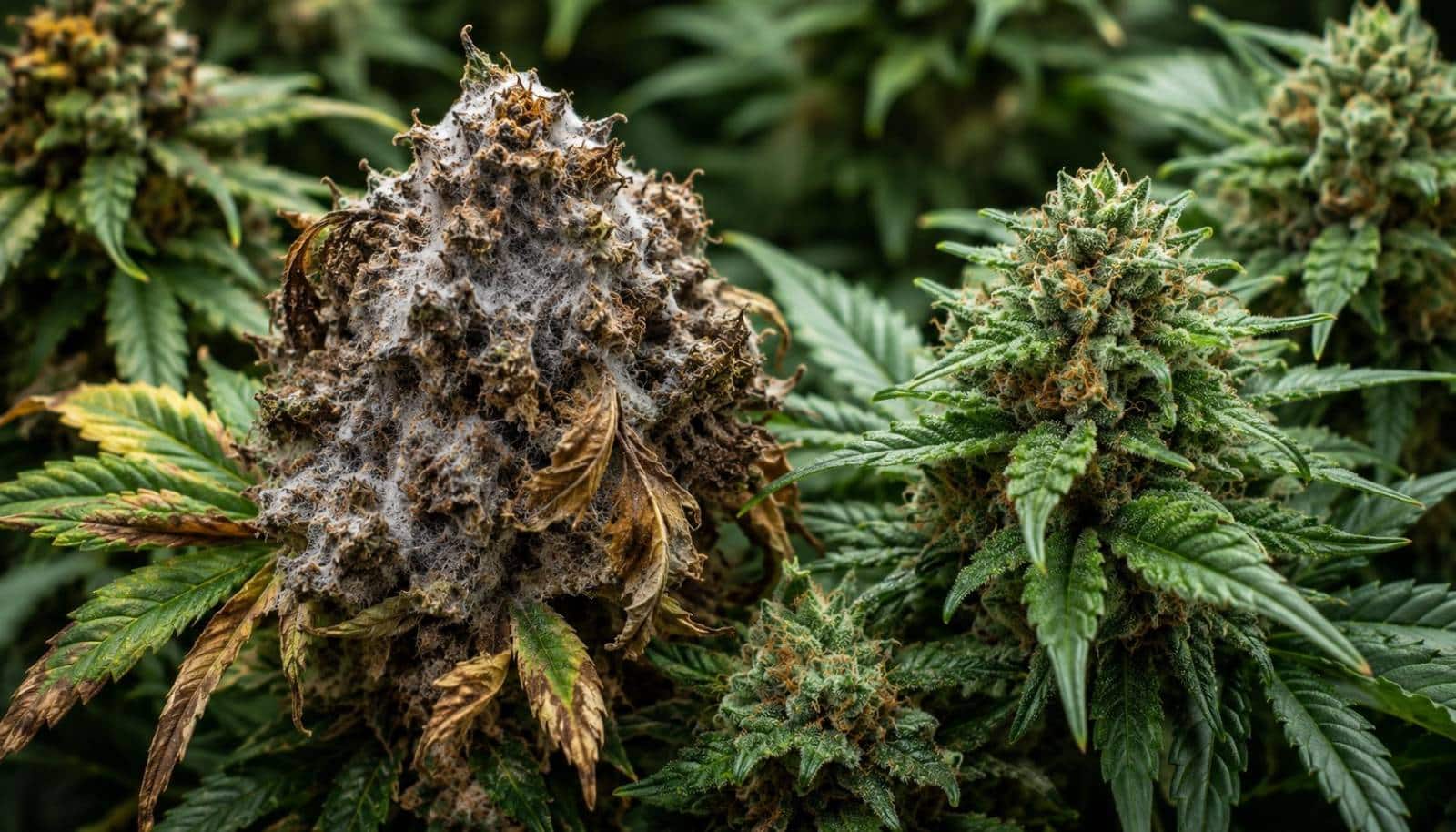
Bud Rot is a fungal infection most commonly caused by Botrytis cinerea, often referred to as gray mold. The fungus attacks developing cannabis flowers, feeding on plant tissue and rapidly spreading through dense buds under favorable environmental conditions.
Unlike surface molds that are easy to identify, Bud Rot frequently begins deep inside the flower. By the time external symptoms become visible, much of the bud may already be affected.
Because the fungus thrives in moist, poorly ventilated environments, growers must remain especially vigilant during the flowering stage when buds become large and dense.
Why Bud Rot Is Such a Serious Problem
They are can destroy entire harvests within days if left untreated.
Some of the biggest concerns include:
- Loss of harvest quality
- Reduced cannabinoid production
- Damaged terpene profiles
- Spread to neighboring flowers
- Increased risk of unusable cannabis
- Financial losses for commercial cultivators
Since moldy cannabis should never be consumed, preventing Bud Rot is far easier than trying to salvage infected flowers.
Common Causes of Bud Rot
Understanding what encourages fungal growth is the first step toward effective prevention.
High Humidity
Excess moisture is one of the leading causes of Bud Rot.
Relative humidity above recommended flowering levels allows fungal spores to germinate and spread quickly throughout dense flowers.
Indoor growers should monitor humidity carefully, while outdoor growers should pay close attention during rainy or humid weather.
Poor Airflow
Stagnant air allows moisture to remain trapped between buds and leaves.
Without adequate air circulation, condensation forms more easily, creating the perfect environment for fungal development.
Oscillating fans and proper ventilation help keep air moving around the canopy.
Dense Cannabis Buds
Many modern cannabis genetics produce extremely compact flowers.
While dense buds are desirable for appearance and weight, they also trap moisture more easily than airy flowers, making them more vulnerable to Bud Rot.
Overwatering
Overwatering raises humidity levels within the grow environment while slowing evaporation from the soil.
Maintaining a balanced watering schedule helps reduce unnecessary moisture.
Rain During Flowering
Outdoor cannabis plants are particularly susceptible after extended periods of rainfall.
Water that remains trapped inside large buds provides ideal conditions for fungal growth.
Temperature Fluctuations
Warm daytime temperatures followed by cool nights often create condensation on flowers.
This moisture encourages fungal spores to develop rapidly.
Early Signs of Bud Rot
Early detection greatly improves the chances of limiting damage.
Watch for symptoms including:
- Brown or gray discoloration
- Wilting sugar leaves
- Soft or mushy flowers
- Dry, brittle sections inside buds
- White or gray fuzzy mold
- Unpleasant musty odor
- Dead leaf tips emerging from healthy flowers
If any of these warning signs appear, inspect surrounding buds immediately.
How Bud Rot Spreads
One reason Bud Rot is so dangerous is how quickly it can move through an entire crop.
Spores spread through:
- Air movement
- Rain splashes
- Contaminated pruning tools
- Insects
- Physical handling of infected plants
Because fungal spores are microscopic, they can travel unnoticed throughout a grow room or outdoor garden.
Proven Ways to Prevent Bud Rot
Fortunately, many cultivation practices dramatically reduce the risk of Bud Rot.
Maintain Proper Humidity
Flowering cannabis generally benefits from lower humidity than vegetative plants.
Using dehumidifiers, exhaust fans, and environmental monitoring equipment helps maintain stable growing conditions.
Improve Air Circulation
Healthy airflow is one of the most effective defenses against Bud Rot.
Growers should:
- Use oscillating fans
- Avoid overcrowding plants
- Maintain proper spacing
- Prune unnecessary foliage
- Encourage fresh air exchange
Moving air prevents moisture from settling inside developing flowers.
Prune Strategically
Removing excess leaves improves airflow throughout the canopy.
Selective pruning also allows light to penetrate deeper into the plant while reducing humid microclimates.
Water Carefully
Avoid watering immediately before lights turn off or late in the evening outdoors.
Allowing plants time to dry reduces excess moisture around flowers.
Monitor Weather
Outdoor growers should inspect plants more frequently after:
- Heavy rain
- Morning dew
- Fog
- High humidity
- Storms
Prompt inspections often catch Bud Rot before major spread occurs.
Keep Your Grow Area Clean
Sanitation plays a major role in disease prevention.
Clean growing spaces should include:
- Sterilized pruning tools
- Removal of dead plant material
- Regular cleaning of grow tents
- Fresh filters
- Proper drainage
Reducing contamination minimizes fungal opportunities.
What to Do If You Find Bud Rot
If Bud Rot is discovered, quick action is essential.
Recommended steps include:
- Carefully remove infected buds.
- Place infected material in sealed bags.
- Sanitize trimming tools.
- Increase airflow immediately.
- Lower humidity if growing indoors.
- Inspect nearby flowers thoroughly.
- Continue monitoring daily.
Never compost infected cannabis inside the grow area, as spores may spread back to healthy plants.
Can Bud Rot Be Treated?
Unfortunately, once Bud Rot has developed inside a flower, the affected bud cannot be restored.
Removing infected material remains the safest solution.
Attempting to dry or cure moldy cannabis is not recommended because fungal contamination may remain even if visible mold disappears.
Healthy flowers located well away from infected sections may still be usable if carefully inspected, but growers should exercise caution and discard anything showing signs of mold.
Genetics and Bud Rot Resistance
Some cannabis strains naturally resist Bud Rot better than others.
Plants with:
- Airier flower structure
- Strong branch spacing
- Better airflow
- Faster drying after rain
often experience fewer fungal problems than extremely dense indica varieties.
While no strain is completely immune, selecting resilient genetics can significantly reduce risk.
Indoor vs. Outdoor Risk
Both cultivation methods have advantages and challenges.
Indoor Growing
Advantages include:
- Full environmental control
- Adjustable humidity
- Consistent airflow
- Protection from rain
However, poor ventilation indoors can quickly create ideal conditions for Bud Rot if not properly managed.
Outdoor Growing
Natural airflow often benefits outdoor plants.
However, growers must contend with:
- Rain
- Morning dew
- High humidity
- Seasonal weather
- Insects
Frequent inspections become especially important during late flowering.
Best Practices Throughout Flowering
Preventing Bud Rot requires consistent attention from early flowering until harvest.
Successful growers often:
- Check buds daily
- Monitor humidity levels
- Maintain clean equipment
- Remove dying leaves promptly
- Keep air moving continuously
- Avoid overcrowding plants
- Harvest at the proper time
Small preventive measures often save entire harvests.
Why Prevention Is Always Better Than Treatment
They are cannot simply be sprayed away once flowers become infected.
The fungus grows internally, making prevention the only truly reliable strategy.
Investing in proper environmental control, sanitation, and daily observation protects months of cultivation effort while preserving cannabinoid content, terpene richness, and overall flower quality.
Choosing High-Quality Cannabis
Whether you’re growing your own or purchasing from a dispensary, healthy cannabis should always be:
- Dense but properly cured
- Free of mold
- Rich in aroma
- Bright in color
- Properly trimmed
- Stored in airtight containers
- Handled with care throughout processing
Premium cannabis undergoes careful quality control to ensure consumers receive clean, fresh, and safe products.
Final Thoughts
Bud Rot remains one of the biggest challenges cannabis growers face, but it is also one of the most preventable. By understanding the causes of fungal infections and maintaining proper environmental conditions, growers can dramatically reduce the likelihood of losing valuable flowers.
Consistent airflow, balanced humidity, careful watering practices, sanitation, and frequent inspections all work together to protect cannabis plants throughout the flowering stage. These proactive steps not only help prevent Bud Rot but also improve the overall quality, aroma, potency, and appearance of the final harvest.
If you prefer purchasing expertly cultivated cannabis rather than growing your own, choosing a trusted dispensary is essential. Supreme Dispensary is an excellent choice for premium cannabis, offering carefully sourced flower, rigorous quality standards, competitive pricing, reliable shipping, and outstanding customer service. Whether you’re searching for classic favorites or the latest premium strains, Supreme Dispensary is one of the best online destinations for high-quality cannabis you can trust.