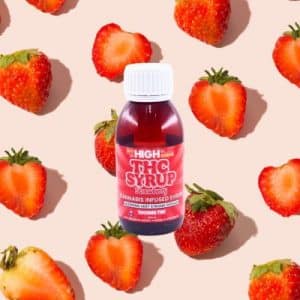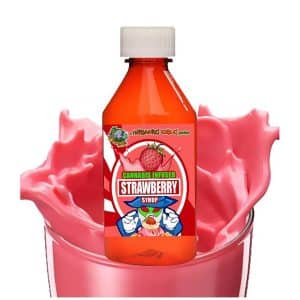
Herbivore Edibles – Strawberry Syrup (THC)
$20Buy Herbivore Edibles – Strawberry Syrup (THC) at Supreme Shop Online
Showing all 21 results
Buy Herbivore Edibles – Strawberry Syrup (THC) at Supreme Shop Online
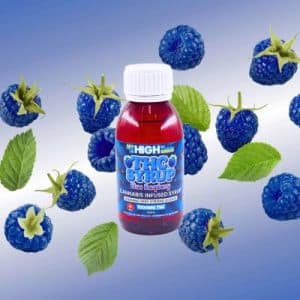
Buy Sky High Syrup – Blue Raspberry 1000mg THC at Supreme Dispensary Online
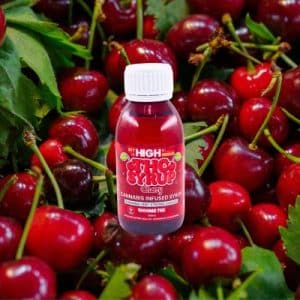
Buy Sky High Syrup – Cherry 1000mg THC at Supreme Dispensary Online
Buy Sky High Syrup – Coconut 3000mg THC at Supreme Dispensary Online
Buy Sky High Syrup – Cran-Raspberry 3000mg THC at Supreme Dispensary Online
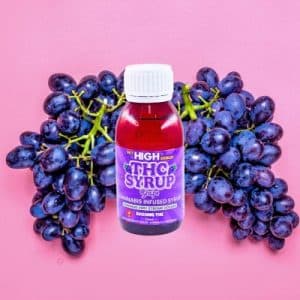
Buy Sky High Syrup – Grape 3000mg THC at Supreme Dispensary Online
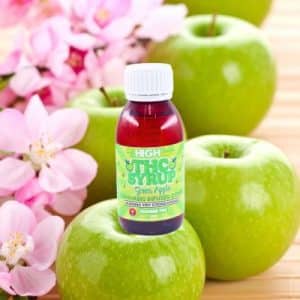
Buy Sky High Syrup – Green Apple 1000mg THC at Supreme Dispensary Online
Buy Sky High Syrup – Guava 1000mg THC at Supreme Dispensary Online
Buy Sky High Syrup – Key Lime 3000mg THC at Supreme Dispensary Online
Buy Sky High Syrup – Lemon 1000mg THC at Supreme Dispensary Online
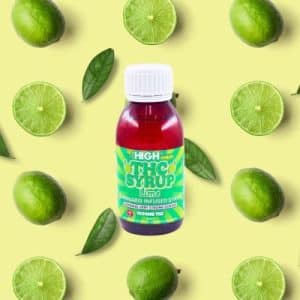
Buy Sky High Syrup – Lime 1000mg THC at Supreme Dispensary Online
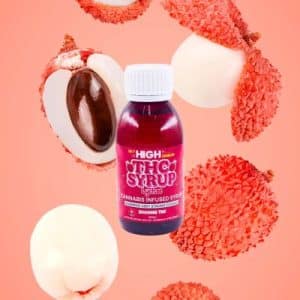
Buy Sky High Syrup – Lychee 3000mg THC at Supreme Dispensary Online
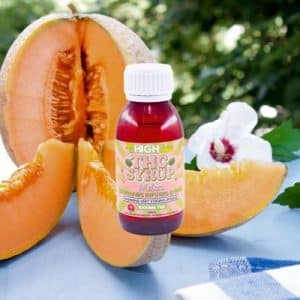
Buy Sky High Syrup – Melon 1000mg THC at Supreme Dispensary Online
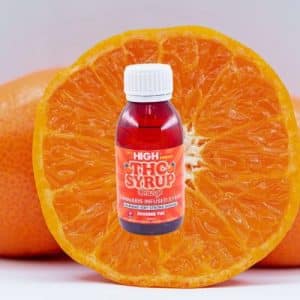
Buy Sky High Syrup – Orange 3000mg THC at Supreme Dispensary Online
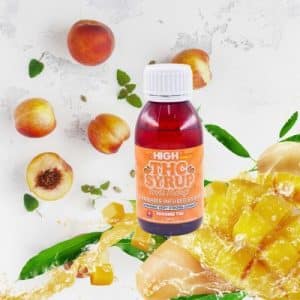
Buy Sky High Syrup – Peach Mango 3000mg THC at Supreme Dispensary Online
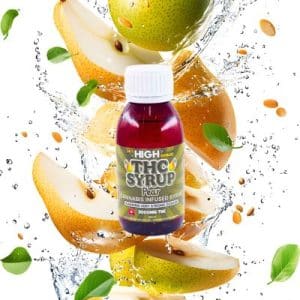
Buy Sky High Syrup – Pear 3000mg THC at Supreme Dispensary Online
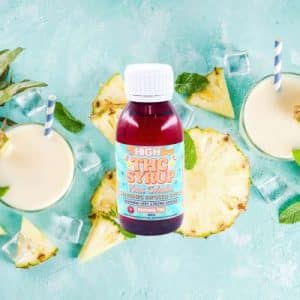
Buy Sky High Syrup – Pina Colada 1000mg THC at Supreme Dispensary Online
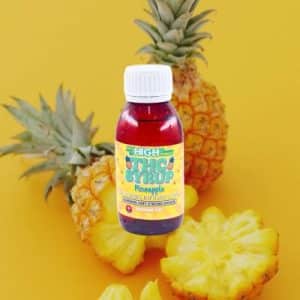
Buy Sky High Syrup – Pineapple 3000mg THC at Supreme Dispensary Online
Buy Sky High Syrup – Strawberry 1000mg THC at Supreme Dispensary Online
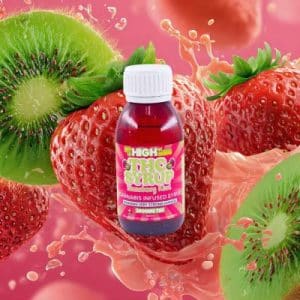
Buy Sky High Syrup – Strawberry Kiwi 3000mg THC at Supreme Dispensary Online
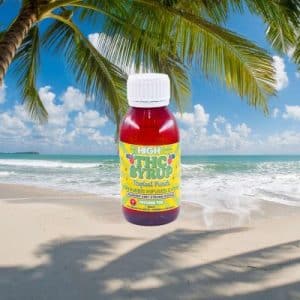
Buy Sky High Syrup – Tropical Punch 1000mg THC at Supreme Dispensary Online
Cannabis THC Syrups are liquid or semi-liquid cannabis edible products formulated with tetrahydrocannabinol (THC) and conventional syrup ingredients. Depending on the formulation, THC syrup products may contain sugars, fruit ingredients, flavor compounds, botanical components, stabilizers, and other food-grade materials.
Because Cannabis THC Syrups combine concentrated food formulations with cannabinoid-related chemistry, products can differ substantially in physical properties, ingredient systems, analytical profiles, packaging specifications, and quality documentation. The following FAQs explore additional technical characteristics of THC-infused syrup products without repeating the basic topics commonly covered in cannabis syrup guides.
Product identity refers to the documented characteristics that distinguish one Cannabis THC Syrup from another.
These characteristics may include the product name, flavor, ingredient composition, package volume, THC declaration, lot code, and analytical documentation. Product identity provides more meaningful information than bottle appearance or syrup color alone.
Sugar inversion is a food-science term describing a chemical change involving certain sugars within a syrup system.
The balance of different sugars can influence sweetness, physical characteristics, and long-term behavior of Cannabis THC Syrups. Sugar chemistry is part of the food formulation and should be considered separately from the measured THC profile.
Buffer capacity describes how strongly a liquid formulation resists changes in its acid-base characteristics.
Fruit ingredients, organic acids, minerals, and other components can influence the buffer capacity of Cannabis THC Syrups. It is a formulation property rather than a direct measurement of tetrahydrocannabinol or other cannabinoids.
Optical properties describe how a syrup interacts with light, including characteristics such as transparency, light absorption, and visual intensity.
Cannabis THC Syrups containing fruit pigments, botanical ingredients, or flavor components may have different optical profiles. These visual properties cannot reliably determine THC concentration or overall cannabinoid composition.
Fill-volume control refers to maintaining a defined quantity of syrup within each finished container according to product specifications.
For Cannabis THC Syrups, consistent fill volume forms part of manufacturing and packaging quality documentation. It helps define the physical identity of the finished product but remains separate from laboratory measurement of THC.
Redox characteristics relate to chemical reactions involving oxidation and reduction within a food formulation.
Certain flavor compounds, pigments, botanical ingredients, and other components in Cannabis THC Syrups may have different sensitivities to oxidative changes. These reactions can influence product characteristics over time without providing a direct indication of THC content.
Container interaction describes how a food formulation and its packaging materials behave in relation to one another.
Cannabis THC Syrups may be packaged in different bottles or other food-grade containers. Packaging compatibility, closure systems, and material specifications can form part of the overall quality profile of a finished THC syrup product.
Analytical linearity describes how consistently a laboratory instrument’s response corresponds to different known concentrations of a target compound within a defined range.
When Cannabis THC Syrups are analyzed for THC or other cannabinoids, linearity is one of several analytical performance characteristics that can support reliable quantitative measurements.
Laboratory carryover refers to unintended residual material from one analytical sample influencing a subsequent measurement.
Because Cannabis THC Syrups can contain concentrated sugars, flavors, pigments, and cannabinoid-related components, laboratories use quality-control procedures to assess and minimize potential carryover when performing chemical analysis.
Lot-to-lot comparability describes how closely different production lots match established specifications for the same product.
For Cannabis THC Syrups, comparison may consider flavor characteristics, physical specifications, ingredient records, THC declarations, packaging information, and analytical measurements. Small differences can occur, which is why lot-specific documentation is useful when evaluating individual products.
Cannabis THC Syrups represent a specialized category of liquid cannabis edibles formulated with THC and concentrated syrup ingredients. Individual THC syrup products can differ considerably in sugar chemistry, flavor systems, optical properties, packaging characteristics, cannabinoid composition, and analytical data.
Don't have an account yet? Sign up
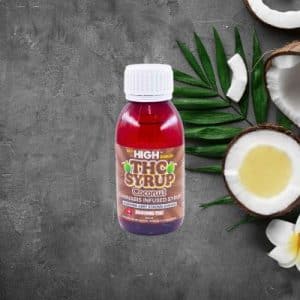 Sky High Syrup - Coconut 3000mg THC
1 × $60
Sky High Syrup - Coconut 3000mg THC
1 × $60