
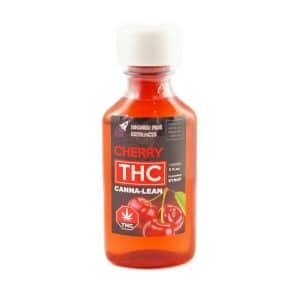
Higher Fire Extracts – Cherry 1000mg THC Lean
$25Higher Fire Extracts – Cherry 1000mg THC Lean at Supreme Online Shop
Showing all 11 results
Higher Fire Extracts – Cherry 1000mg THC Lean at Supreme Online Shop
Higher Fire Extracts – Orange 1000mg THC Lean at Supreme Online Shop
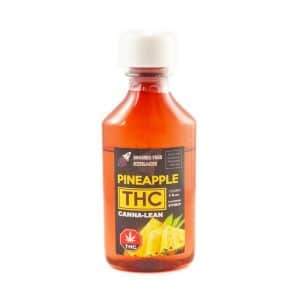
Higher Fire Extracts – Pineapple 1000mg THC Lean at Supreme Online Shop
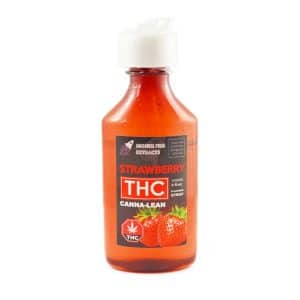
Higher Fire Extracts – Strawberry 1000mg THC Lean at Supreme Online Shop
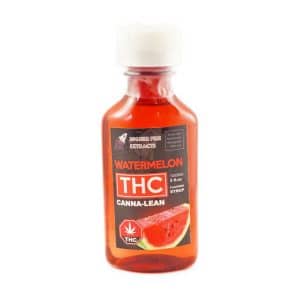
Higher Fire Extracts – Watermelon 1000mg THC Lean at Supreme Online Shop
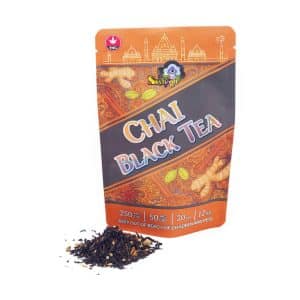
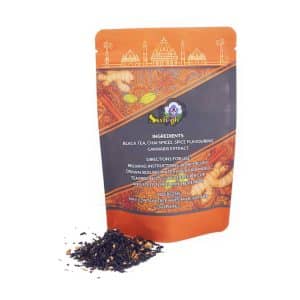
Buy Sky High Tea – Chai Black Tea – 250mg THC + 50mg CBD at Supreme Dispensary Online
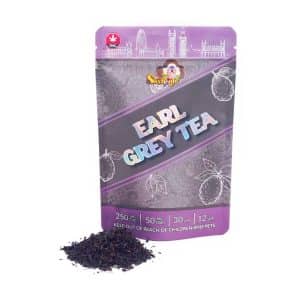
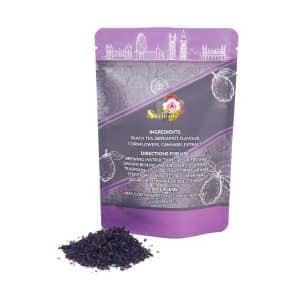
Buy Sky High Tea – Earl Grey Tea – 250mg THC + 50mg CBD at Supreme Dispensary Online
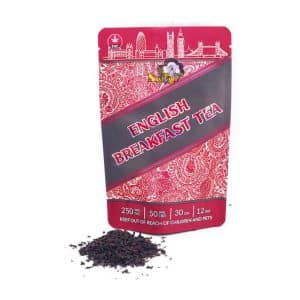
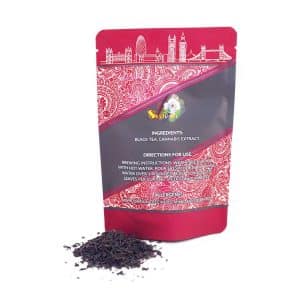
Buy Sky High Tea – English Breakfast Tea – 250mg THC + 50mg CBD at Supreme Dispensary Online
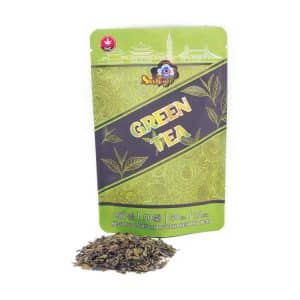
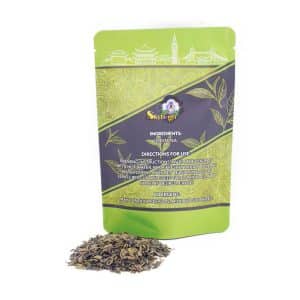
Buy Sky High Tea – Green Tea – 250mg THC + 50mg CBD at Supreme Dispensary Online
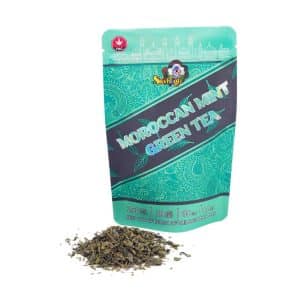
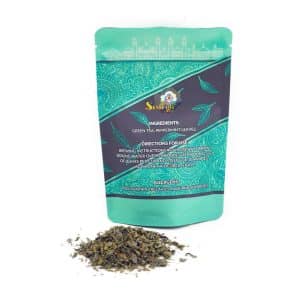
Buy Sky High Tea – Moroccan Mint Green Tea – 250mg THC + 50mg CBD at Supreme Dispensary Online
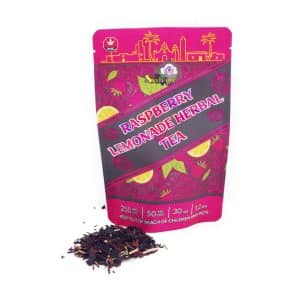
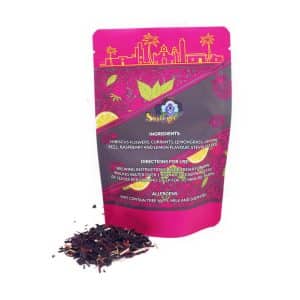
Buy Sky High Tea – Raspberry Lemonade Herbal Tea – 250mg THC + 50mg CBD at Supreme Dispensary Online
Cannabis THC Drinks are beverage-style cannabis edibles formulated with tetrahydrocannabinol (THC) alongside conventional beverage ingredients. This category can include THC-infused sparkling drinks, flavored waters, fruit beverages, sodas, teas, and other liquid cannabis edible products.
Because Cannabis THC Drinks combine beverage formulation science with cannabinoid-related chemistry, their characteristics can vary significantly between products. Factors such as turbidity, preservation systems, flavor technology, packaging performance, analytical measurements, and documented shelf-life specifications can all contribute to a more complete understanding of THC beverages.
Turbidity describes the degree of cloudiness or light scattering within a liquid beverage.
Some Cannabis THC Drinks may appear completely clear, while others have a naturally cloudy appearance because of fruit ingredients, botanical extracts, dispersed particles, or formulation components. Turbidity is a physical beverage characteristic and does not directly indicate THC concentration.
Osmolality is a scientific measurement related to the concentration of dissolved particles within a liquid.
In Cannabis THC Drinks, sugars, salts, acids, and other soluble ingredients can contribute to this property. Osmolality provides information about beverage composition but should not be interpreted as a measurement of THC or overall cannabinoid content.
Preservative systems are formulation strategies designed to support the documented quality and stability of a beverage.
Depending on the product, Cannabis THC Drinks may contain permitted food preservatives or rely on other quality-control approaches. Ingredient declarations and product documentation provide the most reliable information about the preservation system used in a specific THC beverage.
Foam stability describes how long bubbles or foam remain at the surface of a beverage after they are formed.
Certain Cannabis THC Drinks may develop more persistent foam because of proteins, botanical ingredients, carbonation, stabilizers, or other formulation components. Foam behavior is part of beverage quality and does not provide reliable information about THC content.
Package seal integrity refers to how effectively a bottle, can, or other container remains securely closed according to its intended packaging specification.
For Cannabis THC Drinks, packaging integrity can help protect the beverage from unintended environmental exposure and support documented product quality. It is a packaging characteristic rather than a measure of cannabinoid composition.
Headspace pressure refers to the pressure present in the unfilled space above a liquid inside a sealed container.
This characteristic can be particularly relevant to carbonated Cannabis THC Drinks. Package design, carbonation, fill volume, and beverage properties can all influence headspace conditions without determining the amount of THC in the product.
Flavor encapsulation is a food-technology concept in which certain flavor compounds are contained within protective carrier systems.
In beverage formulations, encapsulated flavors can help manage aroma or flavor characteristics. Cannabis THC Drinks may use different flavor technologies depending on the product specification, but these systems should be evaluated separately from cannabinoid composition.
Analytical robustness describes how reliably a laboratory method performs when small, controlled variations occur during analysis.
Because Cannabis THC Drinks may contain sugars, acids, pigments, flavors, and other beverage ingredients, robust analytical methods help support dependable cannabinoid measurements across different sample conditions.
Reporting units define how analytical or product measurements are expressed.
For Cannabis THC Drinks, laboratory and product documentation may use defined units for cannabinoid measurements, beverage volume, or other analytical characteristics. Clear reporting units reduce ambiguity and make technical product information easier to interpret accurately.
Shelf-life specifications describe the documented physical, chemical, and quality characteristics expected to remain within defined limits over an established period.
For Cannabis THC Drinks, these specifications may consider appearance, flavor characteristics, packaging condition, beverage properties, cannabinoid measurements, and other product parameters. Shelf-life documentation provides a broader technical picture than simply examining a beverage at one point in time.
Cannabis THC Drinks represent a specialized segment of cannabis edibles that combines cannabinoid-related ingredients with modern beverage technology. THC beverages may include sparkling drinks, cannabis sodas, flavored waters, fruit beverages, teas, and other cannabis-infused drink formats.
Don't have an account yet? Sign up

 Free Gifts - Preroll