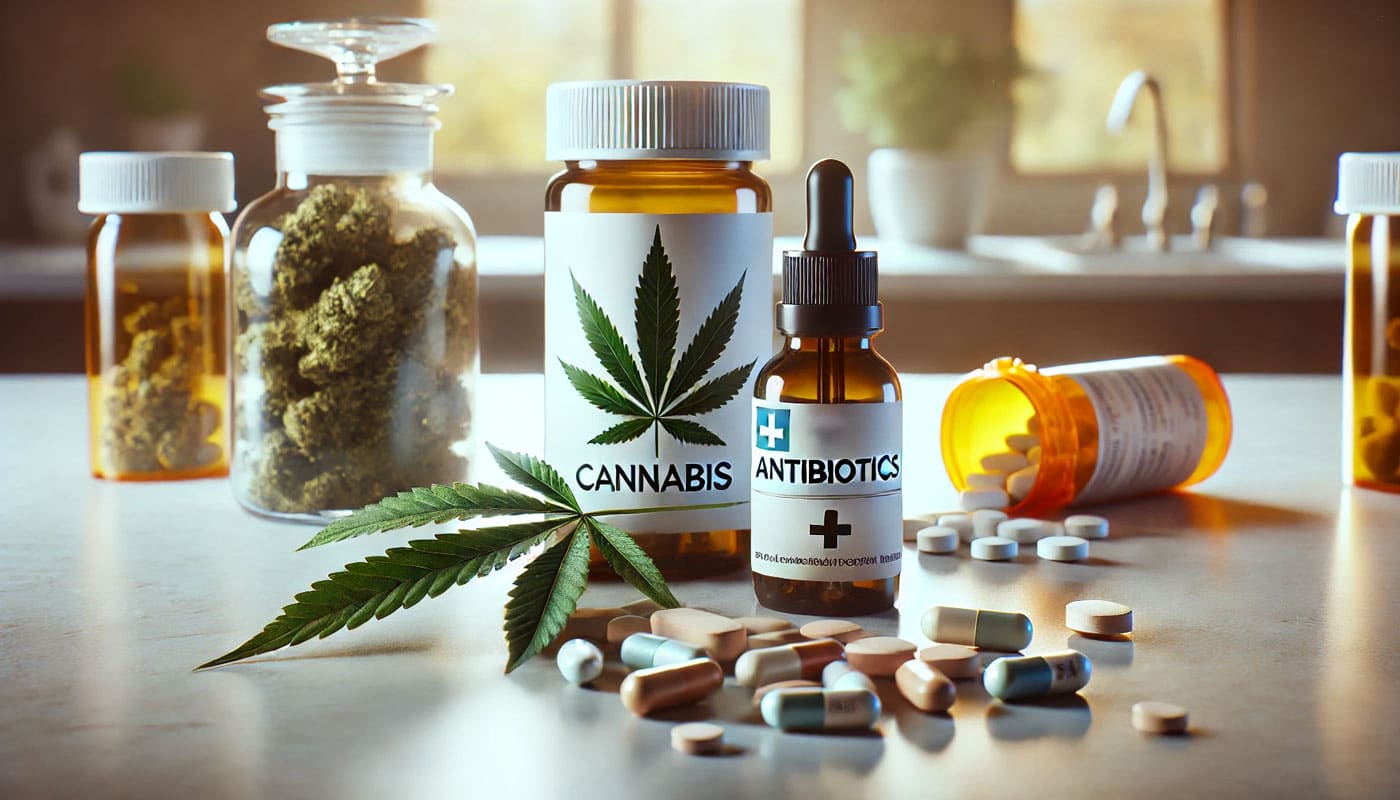
Introduction: Can Cannabis and Antibiotics Work Together?
With cannabis becoming more mainstream for both recreational and medical use, more people are asking smart questions about how it interacts with traditional medications. One common question is:
“Can you smoke weed while taking antibiotics?”
It’s a valid concern, especially if you’re treating a bacterial infection but also rely on cannabis to help manage pain, anxiety, insomnia, or appetite.
In this article, we’ll take a deep dive into the relationship between weed and antibiotics—covering the risks, potential benefits, what the research says, and how to use cannabis responsibly while on prescription meds. Plus, if you’re looking for safe, high-quality cannabis products in Canada, we’ll explain why Supreme Dispensary is your top choice for online shopping.
🤔 Weed and Antibiotics: What’s the Concern?
Antibiotics are prescribed to kill or inhibit the growth of bacteria. They play a crucial role in treating infections ranging from UTIs and strep throat to skin conditions and pneumonia.
Cannabis, on the other hand, is known for its therapeutic effects, such as:
- Pain relief
- Anti-nausea
- Anti-anxiety
- Sleep aid
- Appetite stimulation
While both are widely used, it’s natural to wonder whether mixing weed and antibiotics could lead to negative side effects or reduce the effectiveness of either one.
🔬 Is There Scientific Evidence on Weed and Antibiotics?
There’s limited direct research specifically on the interaction between cannabis and antibiotics, but what we do know suggests that there’s no strong evidence of dangerous interactions between the two in most cases.
What Studies Say:
- Cannabis doesn’t appear to reduce the effectiveness of antibiotics.
- CBD and THC are metabolized in the liver, like many antibiotics, which could lead to slowed or altered processing of one or both substances in rare cases.
- Some studies suggest cannabis compounds may have antibacterial properties themselves, which is an emerging area of research.
That said, because every person’s body reacts differently—and there are dozens of antibiotic types—you should always speak to a healthcare provider if you’re unsure.
🧠 How Does Cannabis Affect the Body When You’re Sick?
If you’re taking antibiotics, you’re likely already feeling under the weather. Whether it’s a sinus infection, bronchitis, or a skin issue, cannabis use can play both helpful and potentially problematic roles in the healing process.
✅ Possible Benefits:
- Pain relief (especially with infections that cause inflammation)
- Improved sleep, which helps your immune system recover
- Increased appetite, helpful if antibiotics cause nausea or gut upset
- Mood regulation to reduce irritability or anxiety from being sick
⚠️ Possible Drawbacks:
- Smoked cannabis may irritate the lungs or sinuses, especially during respiratory infections
- Cannabis may interfere with liver enzyme activity, which could affect how certain antibiotics are processed
- Overuse of THC can sometimes lead to dizziness, fatigue, or dehydration—all of which can make recovery harder
📋 Types of Antibiotics and Potential Cannabis Interactions
Different antibiotics work in different ways, and so do cannabinoids like THC and CBD. Here’s a breakdown of common antibiotic classes and what you should consider when mixing them with cannabis.
1. Penicillins (e.g., Amoxicillin)
- Interaction risk: Low
- Cannabis caution: Minimal; no known interactions
2. Macrolides (e.g., Azithromycin)
- Interaction risk: Moderate
- May affect liver enzymes involved in metabolizing THC/CBD
- Cannabis caution: Use in moderation; consult your doctor
3. Fluoroquinolones (e.g., Ciprofloxacin)
- Interaction risk: Moderate
- Can cause dizziness or lightheadedness; THC may intensify these
- Cannabis caution: Avoid high doses; stay hydrated
4. Tetracyclines (e.g., Doxycycline)
- Interaction risk: Low
- May increase sun sensitivity—cannabis can enhance photosensitivity
- Cannabis caution: Use sunscreen; avoid long sun exposure
5. Sulfa drugs (e.g., Bactrim)
- Interaction risk: Moderate
- Both cannabis and sulfa drugs can affect liver processing
- Cannabis caution: Watch for side effects; consult with a physician
🩺 Can CBD Be Used with Antibiotics?
CBD (cannabidiol) is widely used for medical purposes and doesn’t have the intoxicating effects of THC. It’s often favored by those seeking relief without a high.
Potential Benefits of CBD with Antibiotics:
- Anti-inflammatory properties
- Pain management
- Reduced anxiety
- Less risk of lung irritation (especially with oils or capsules)
However, CBD is also processed by the liver, which means it may affect how your body processes certain medications, including some antibiotics.
If you’re taking CBD oil or tinctures, talk to your doctor about dosage timing to avoid interference.
😷 Should You Smoke Weed While Sick?
Here’s where it gets a bit tricky. Smoking cannabis can irritate your lungs, sinuses, and throat—all parts of the body already inflamed if you’re fighting an infection.
If You’re Sick With:
- Respiratory infection (e.g., cold, flu, bronchitis) → Avoid smoking
- Sinus infection → Avoid inhaling smoke or vapor
- Stomach or skin infections → Edibles or tinctures may be okay
Instead, consider:
- CBD capsules or THC edibles
- Cannabis-infused teas
- Topicals (for localized pain or inflammation)
🧘 Tips for Using Cannabis While Taking Antibiotics
If you do decide to use cannabis while on antibiotics, here are some tips to do it safely and responsibly:
1. Consult with a Healthcare Provider
Always tell your doctor or pharmacist what you’re using—including cannabis. They can advise on safe combinations and timing.
2. Avoid Smoking If You’re Sick
Opt for edibles, oils, or capsules to reduce lung or throat irritation.
3. Hydrate
Both cannabis and antibiotics can cause dry mouth and dehydration, so drink plenty of water.
4. Space Out Doses
If you’re worried about liver metabolism, take cannabis and antibiotics at different times of day (e.g., antibiotic in the morning, cannabis at night).
5. Start Low and Go Slow
Your body is already under stress—so avoid high-THC doses. Stick with low amounts and see how you feel.
🌐 Where to Buy Safe, High-Quality Cannabis: Supreme Dispensary
Whether you’re managing symptoms during an illness or just looking for premium cannabis for your everyday needs, it’s essential to buy from a trustworthy source.
That’s why we recommend:
🌿 Supreme Dispensary — Canada’s #1 Trusted Online Dispensary
Why Supreme Dispensary?
Lab-Tested Products
Everything from flower to edibles is tested for potency, purity, and contaminants.
CBD and THC Options
Whether you want psychoactive relief or non-intoxicating wellness support, Supreme Dispensary has you covered.
Discreet, Fast Shipping
Orders are shipped securely and quickly across Canada.
Competitive Pricing
Enjoy daily deals, bundle offers, and member rewards.
Wide Selection
Find exactly what you need—Indicas, Sativas, Hybrids, topicals, oils, and more.
👉 Browse the full catalog at Supreme Dispensary and get the quality and peace of mind you deserve.
✅ Final Thoughts: Weed and Antibiotics Can Mix — With Caution
In most cases, there are no severe interactions between weed and antibiotics, but using cannabis responsibly is key.
If you’re dealing with an infection and taking antibiotics:
- Avoid smoking if your illness affects your respiratory system
- Use CBD or low-THC products for relief
- Talk to your healthcare provider for guidance
- Stick to trusted sources like Supreme Dispensary for clean, lab-tested cannabis
Cannabis can be a helpful part of your healing toolkit—just make sure you’re using it safely, wisely, and in a way that supports your recovery.