Anxiety is one of the most common mental health challenges affecting adults today. From everyday stress and social anxiety to chronic generalized anxiety, many people are searching for alternative approaches to support their well-being. One topic that continues to generate interest is Cannabis for Anxiety.
While cannabis is not a one-size-fits-all solution, emerging research and anecdotal reports suggest that certain cannabinoids and strains may help some individuals manage symptoms of anxiety when used responsibly. In this professional and comprehensive guide, we’ll explore how cannabis interacts with the body, the potential benefits and risks, and how to choose high-quality products safely.
Understanding Anxiety and the Endocannabinoid System
To understand how Cannabis for Anxiety may work, it’s important to first look at the body’s endocannabinoid system (ECS). The ECS plays a crucial role in regulating:
- Mood
- Stress response
- Sleep
- Appetite
- Emotional balance
The ECS contains receptors (CB1 and CB2) that interact with cannabinoids such as THC (tetrahydrocannabinol) and CBD (cannabidiol). These interactions may influence how the body responds to stress and anxiety triggers.
When functioning properly, the ECS helps maintain balance, also known as homeostasis. Some researchers believe that supporting this system with cannabinoids may help promote emotional regulation in certain individuals.
How Cannabis May Help with Anxiety
The conversation around Cannabis for Anxiety largely centers on two primary cannabinoids: THC and CBD.
1. CBD and Anxiety
CBD is non-intoxicating and has gained attention for its potential calming properties. Research suggests that CBD may:
- Promote relaxation
- Reduce stress responses
- Support improved sleep
- Help regulate mood
Many individuals seeking cannabis for anxiety relief prefer CBD-dominant products because they provide potential calming effects without the psychoactive “high” associated with THC.
2. THC and Anxiety
THC interacts directly with CB1 receptors in the brain and produces psychoactive effects. In low doses, THC may:
- Enhance mood
- Promote relaxation
- Reduce short-term stress
However, higher doses of THC can sometimes increase anxiety or paranoia, especially in individuals sensitive to its effects. This is why dosage and strain selection are critical when considering cannabis for anxiety.
Benefits of Cannabis for Anxiety
While individual responses vary, some reported benefits of Cannabis for Anxiety include:
Stress Reduction
Certain strains may help calm racing thoughts and promote a sense of ease after a long day.
Improved Sleep
Anxiety often disrupts sleep patterns. Some cannabis products, particularly indica-dominant strains or CBD-rich formulas, may support better rest.
Muscle Relaxation
Physical tension frequently accompanies anxiety. Cannabis may help reduce muscle tightness and bodily stress.
Mood Enhancement
Low doses of balanced THC/CBD products may help elevate mood and improve overall emotional well-being.
Mindfulness Support
Some individuals report that cannabis helps them feel more present and grounded.
It is important to note that cannabis is not a replacement for professional medical care. Individuals with severe or persistent anxiety should consult a healthcare provider.
Choosing the Right Type of Cannabis for Anxiety
When exploring Cannabis for Anxiety, product selection matters greatly.
CBD-Dominant Products
These are often recommended for beginners or individuals sensitive to THC. Options include:
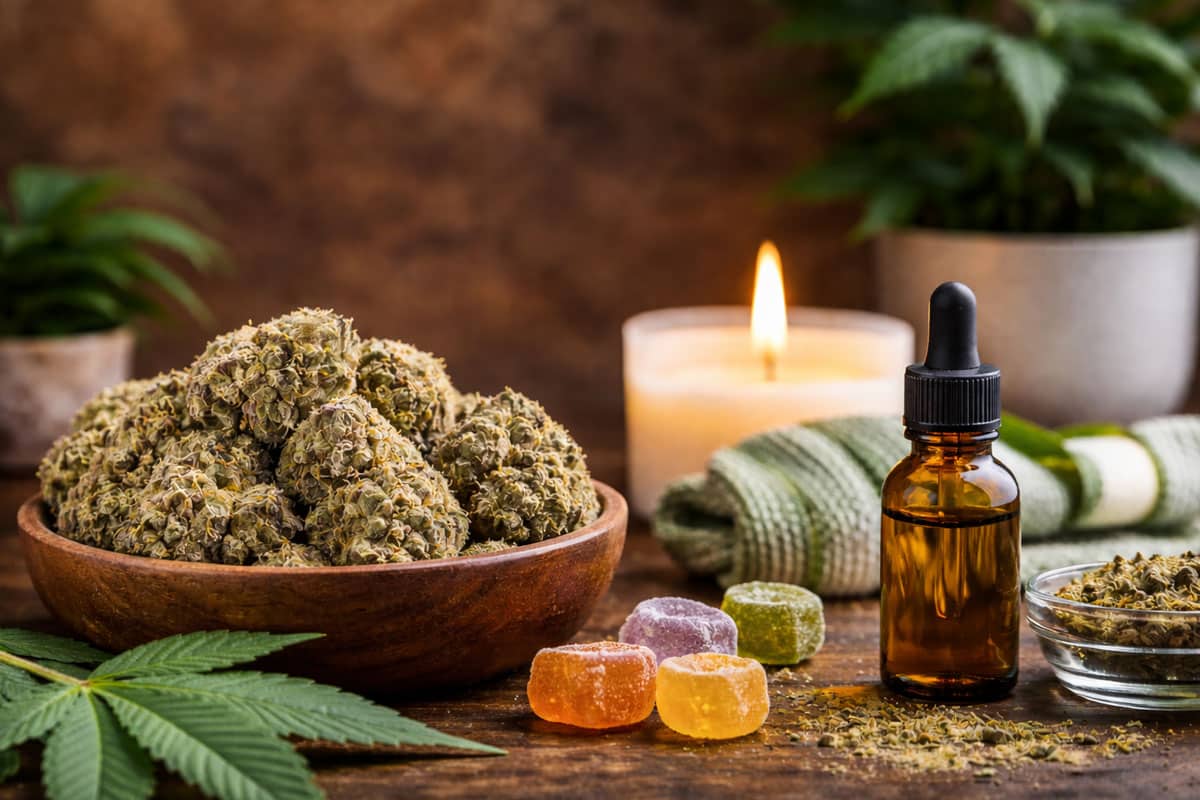
- CBD oils and tinctures
- CBD capsules
- CBD gummies
Balanced THC/CBD Products
Products containing both THC and CBD in moderate ratios may provide relaxation without overwhelming psychoactivity.
Indica-Dominant Strains
Indica strains are commonly associated with:
- Physical relaxation
- Calming effects
- Evening use
Sativa Strains (With Caution)
While some sativa strains can enhance focus and mood, high-THC sativas may increase anxiety in certain individuals. Always start with low doses.
Proper Dosing: Start Low and Go Slow
When using Cannabis for Anxiety, dosage is crucial.
- Begin with the lowest effective dose.
- Allow time to assess effects before increasing.
- Avoid combining cannabis with alcohol.
Microdosing—taking very small amounts—has become increasingly popular for individuals seeking subtle benefits without strong intoxication.
Potential Risks of Cannabis for Anxiety
While cannabis may offer benefits for some, it’s important to understand potential risks:
- High doses of THC may increase anxiety.
- Overuse may lead to dependency in some individuals.
- Effects vary based on body chemistry.
- Cannabis may interact with certain medications.
Responsible use and professional guidance are always recommended.
Methods of Consumption for Anxiety Relief
The method of consumption influences how cannabis affects the body.
1. Vaping or Smoking
- Fast onset (within minutes)
- Easier dose control
- Shorter duration
2. Edibles
- Slower onset (30–90 minutes)
- Longer-lasting effects
- Harder to dose precisely
3. Tinctures
- Faster absorption than edibles
- More controlled dosing
- Discreet and convenient
Many individuals using cannabis for anxiety prefer tinctures or low-dose edibles for predictable and controlled effects.
Who Should Avoid Cannabis for Anxiety?
Cannabis may not be suitable for:
- Individuals with a history of severe panic disorders
- Those prone to psychosis
- Pregnant or breastfeeding individuals
- Anyone under the legal age
Always consult a medical professional if you have concerns.
The Importance of Product Quality
When exploring Cannabis for Anxiety, quality and reliability are critical. Poorly stored or low-grade products may contain contaminants or inconsistent potency levels.
Consumers should look for:
- Lab-tested products
- Clear THC/CBD labeling
- Freshness
- Transparent sourcing
Why Supreme Dispensary Is a Trusted Choice
For individuals seeking high-quality cannabis products in Canada, Supreme Dispensary has established itself as a reputable online dispensary known for premium selections and reliable service.
Supreme Dispensary offers:
- High-quality cannabis flower
- CBD-rich products
- Balanced THC/CBD options
- Edibles and tinctures
- Competitive pricing
- Discreet and fast shipping
When purchasing cannabis for anxiety relief, working with a trusted dispensary ensures product consistency and safety.
Supreme Dispensary prioritizes quality control and customer satisfaction, making it a strong choice for those looking to explore cannabis responsibly.
Tips for Using Cannabis Responsibly for Anxiety
- Start with CBD or low-THC products.
- Avoid high doses.
- Use in a comfortable environment.
- Track how different strains affect you.
- Combine with healthy coping strategies such as exercise or meditation.
Cannabis works best as part of a broader wellness routine.
Frequently Asked Questions About Cannabis for Anxiety
Is cannabis proven to cure anxiety?
No. Cannabis may help manage symptoms for some individuals but is not a cure.
Is CBD better than THC for anxiety?
Many people find CBD more suitable due to its non-intoxicating nature.
Can cannabis make anxiety worse?
Yes, especially at high THC doses.
How quickly does cannabis work for anxiety?
Inhaled methods act within minutes, while edibles take longer.
Final Thoughts
The topic of Cannabis for Anxiety continues to evolve as research expands and public understanding grows. For some individuals, carefully selected cannabis products may provide support in managing stress, promoting relaxation, and improving sleep.
However, cannabis is not universally effective and must be used responsibly. Dosage, strain selection, and product quality all play vital roles in achieving positive outcomes.
For Canadians seeking reliable access to high-quality cannabis products, Supreme Dispensary stands out as a professional and trusted online dispensary. With a broad selection and commitment to quality, it provides consumers with safe and consistent options to explore cannabis responsibly.
As always, consult a healthcare professional before incorporating cannabis into your wellness routine, especially if you are managing ongoing mental health concerns.