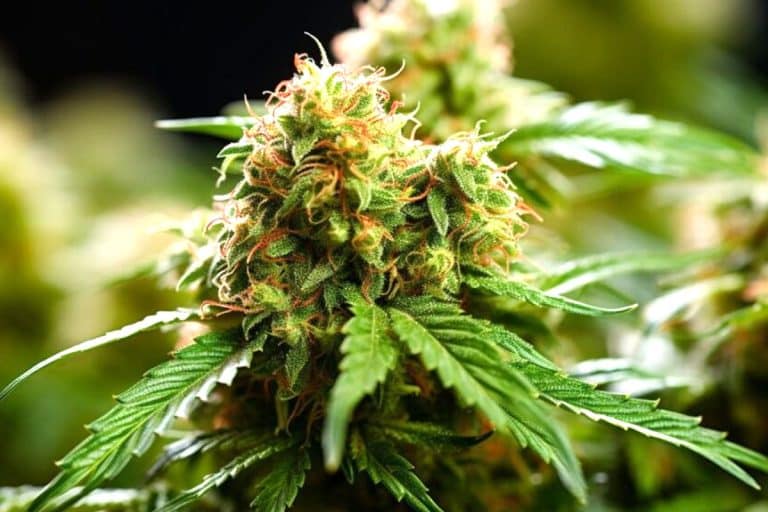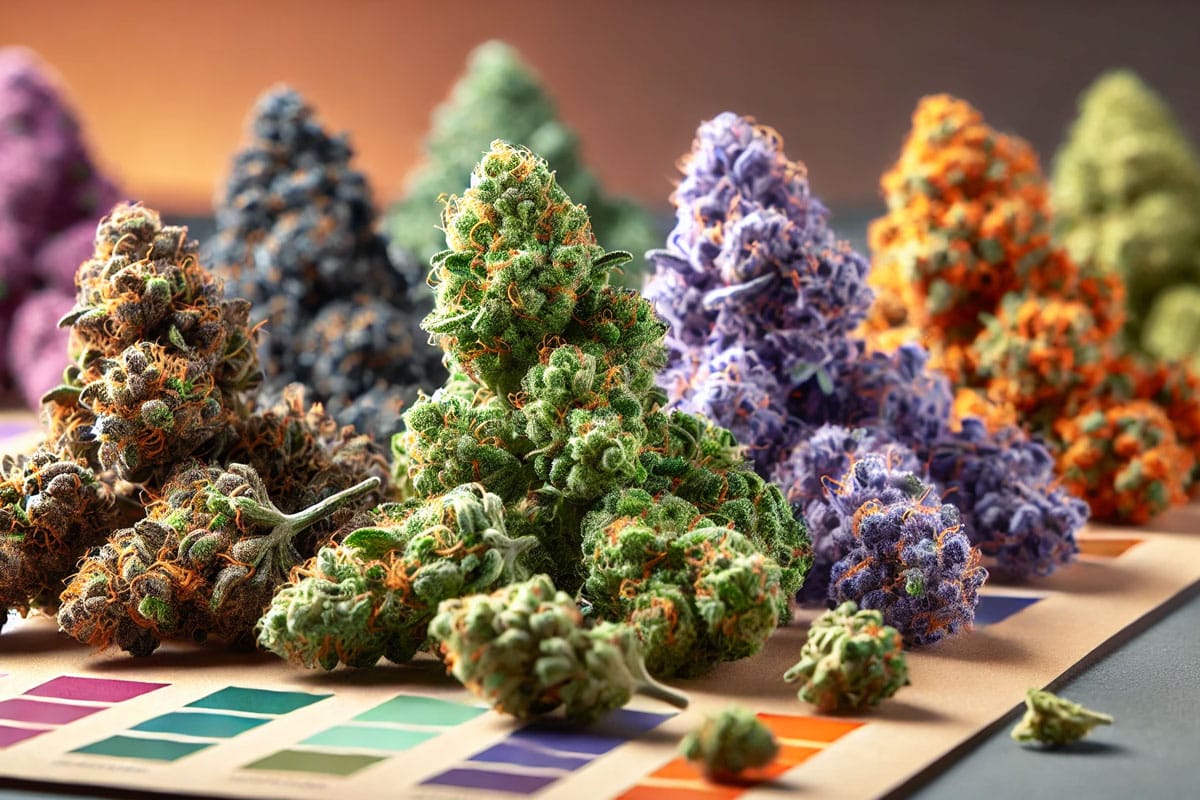
Cannabis is far more visually diverse than many people realize. While green buds are the most common, cannabis flowers can also appear purple, blue, red, orange, or even nearly black. As legalization and consumer education continue to grow, understanding cannabis colors has become an important part of choosing high-quality flower.
Although color alone doesn’t determine potency, it can reveal valuable information about genetics, growing conditions, and terpene profiles. Therefore, learning what different cannabis colors mean can help consumers make more informed purchasing decisions.
In this guide, we’ll explore understanding cannabis colors, what causes these variations, and how bud color may relate to quality, flavor, and effects. Finally, we’ll explain why Supreme Dispensary is the best online dispensary to purchase premium cannabis products across the color spectrum.
Understanding Cannabis Colors and Why Bud Appearance Matters
At first glance, cannabis color may seem purely aesthetic. However, once you begin understanding cannabis colors, it becomes clear that visual cues can provide insight into how the plant was grown and cured.
Although color does not directly equal strength, it often reflects the plant’s genetics, terpene concentration, and environmental exposure. As a result, experienced consumers frequently consider bud color alongside aroma, texture, and trichome coverage.
What Determines Cannabis Color?
Several factors influence cannabis coloration, including:
- Genetics
- Temperature during growth
- Light exposure
- Nutrient levels
- Harvest timing
Because these variables interact, cannabis colors can vary significantly—even within the same strain.
Green Cannabis Buds: The Most Common Cannabis Color
Green is the most widespread cannabis color, and for good reason. Chlorophyll, the pigment responsible for photosynthesis, gives cannabis plants their green appearance.
What Green Cannabis Indicates About Quality
In many cases, vibrant green buds indicate healthy growth and proper curing. Moreover, green cannabis often retains a balanced terpene profile, which supports flavor and aroma.
However, not all green buds are created equal. Pale or dull green cannabis may suggest improper curing or aging. Therefore, brightness and freshness matter when evaluating green flower.
Purple Cannabis Explained: Genetics, Anthocyanins, and Temperature
Purple cannabis strains are among the most visually striking. When understanding cannabis colors, purple hues often attract the most attention.
Why Some Cannabis Turns Purple
Purple coloration is caused by anthocyanins—water-soluble pigments also found in blueberries and grapes. When temperatures drop during flowering, chlorophyll breaks down, allowing purple pigments to dominate.
However, genetics play a major role. Some strains are naturally predisposed to purple coloration regardless of temperature.
Does Purple Cannabis Mean Higher Potency?
Despite popular belief, purple cannabis is not inherently stronger. Instead, its appeal lies in flavor and terpene expression. Many purple strains exhibit sweet, berry-like aromas, which can enhance the overall experience.
Blue and Dark Cannabis Shades: Rare but Eye-Catching
Some cannabis strains display deep blue or nearly black hues. While less common, these colors are still part of understanding cannabis colors.
What Blue or Dark Cannabis Colors Suggest
Blue or dark buds typically result from high anthocyanin levels combined with specific genetics. Additionally, cooler growing environments can intensify these shades.
Although rare, these strains are often prized for their unique appearance and rich terpene profiles.
Orange and Red Cannabis Hairs: What Pistils Tell You
Beyond bud color itself, pistils—or “hairs”—play an important role in cannabis appearance. These hair-like structures often appear orange, red, or rust-colored.
Pistil Color and Cannabis Maturity
As cannabis matures, pistils naturally change color from white to orange or red. Therefore, darker pistils often indicate that the plant was harvested at peak ripeness.
Moreover, healthy pistil coloration can suggest proper flowering and curing practices.
Understanding Cannabis Colors and Terpene Profiles
One of the most overlooked aspects of understanding cannabis colors is how color relates to terpene expression.
Do Certain Colors Indicate Specific Flavors?
While color doesn’t guarantee flavor, some patterns do exist:
- Purple strains often lean sweet or berry-like
- Bright green strains frequently feature citrus or herbal notes
- Darker strains may carry earthy or spicy aromas
As a result, visual cues can help guide strain selection when paired with terpene information.
Brown or Yellow Cannabis: Signs of Poor Quality
Not all cannabis colors are desirable. When understanding cannabis colors, brown or yellow hues can signal potential issues.
What Causes Discolored Cannabis?
Unfavorable colors may result from:
- Improper curing
- Excessive exposure to light or air
- Old or degraded flower
- Mold or mildew
Therefore, consumers should be cautious when encountering dull or uneven coloration.
Does Cannabis Color Affect Effects or High?
Although cannabis color does not directly determine effects, it may indirectly reflect terpene composition and freshness.
Color vs Cannabinoid Content
THC and CBD are colorless compounds. Consequently, bud color alone cannot predict potency. However, vibrant coloration often correlates with good cultivation and curing, which helps preserve cannabinoids.
How Growers Influence Cannabis Color
Growers can influence cannabis coloration through environmental control and genetics. As a result, cultivation style plays a major role in understanding cannabis colors.
Environmental Factors That Impact Color
- Cooler nighttime temperatures
- Specific nutrient ratios
- Light spectrum adjustments
While these techniques enhance appearance, they should never compromise plant health.
How Consumers Can Use Cannabis Color When Shopping
For consumers, understanding cannabis colors is about making informed choices—not judging solely by appearance.
What to Look for When Buying Cannabis
When shopping for flower, consider:
- Bright, consistent coloration
- Visible trichome coverage
- Healthy pistil coloration
- Strong, pleasant aroma
When combined, these traits often indicate premium cannabis.
Why Buy High-Quality Cannabis From Supreme Dispensary?
When it comes to purchasing cannabis in a variety of colors and strains, Supreme Dispensary stands out as a trusted online source.
Benefits of Choosing Supreme Dispensary
- Premium, lab-tested cannabis products
- Wide selection of colorful, high-quality strains
- Competitive pricing and frequent deals
- Fast, discreet shipping
- Excellent customer support
Moreover, Supreme Dispensary works with reputable growers, ensuring that cannabis is properly cultivated, cured, and stored. As a result, customers receive visually appealing, potent, and flavorful flower every time.
Understanding Cannabis Colors as Part of Cannabis Education
As cannabis culture continues to evolve, education remains essential. Therefore, learning about bud appearance helps consumers appreciate cannabis as both a science and an art.
While color alone should never be the only deciding factor, it provides valuable clues when combined with aroma, texture, and lab data.
Final Thoughts on Understanding Cannabis Colors
In conclusion, understanding cannabis colors offers insight into genetics, cultivation methods, terpene expression, and overall quality. From vibrant green buds to deep purple hues and fiery orange pistils, cannabis color tells a story about how the plant was grown and cared for.
Although color doesn’t define potency, it can guide smarter purchasing decisions and deepen appreciation for the plant. Therefore, choosing a reputable dispensary like Supreme Dispensary ensures access to top-quality cannabis across the full color spectrum.
With the right knowledge and a trusted source, exploring cannabis becomes a richer, more informed experience—one colorful bud at a time 🌿