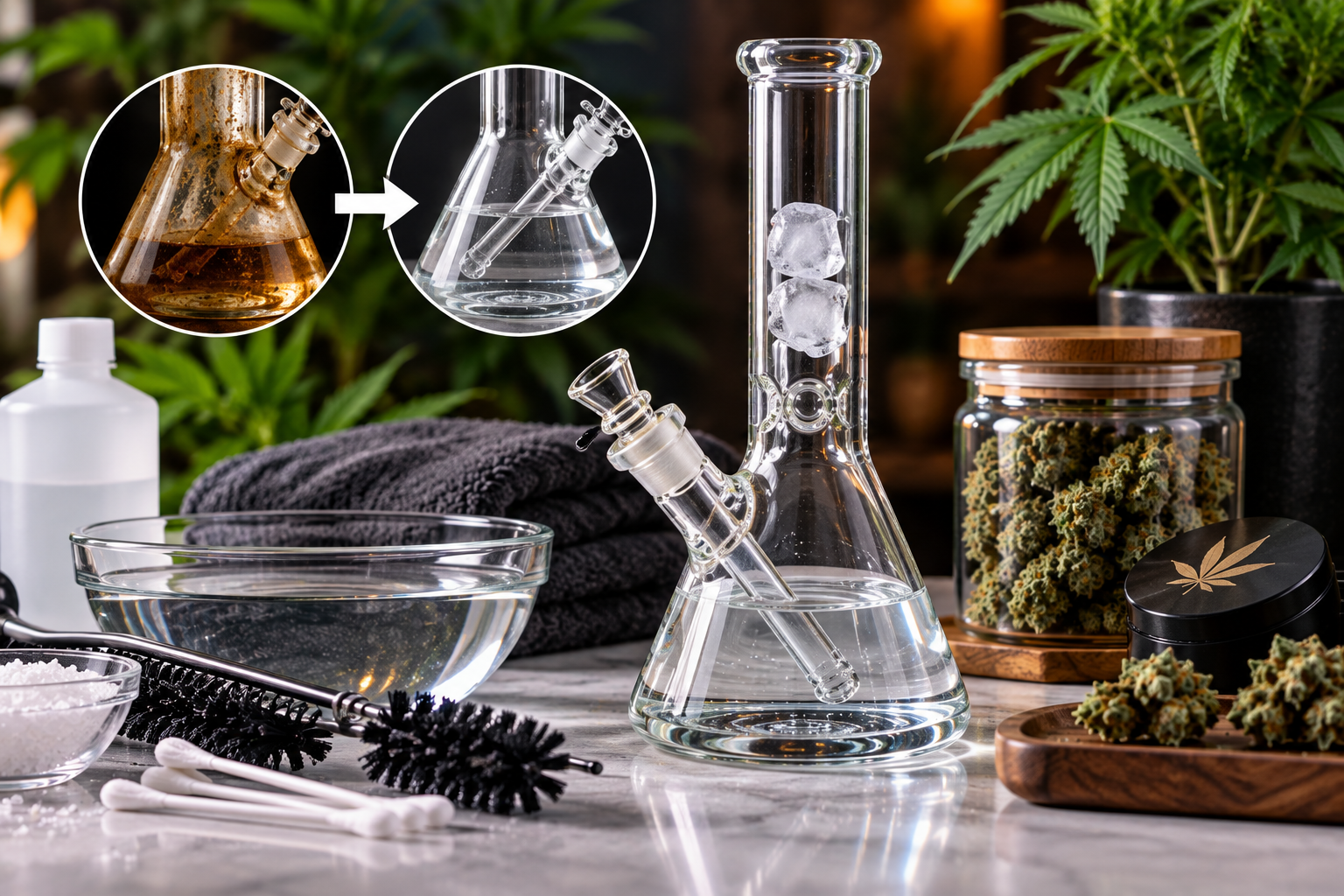
A clean bong can make a noticeable difference in the overall smoking experience. While many people focus on the cannabis itself, the condition of the water and glass also matters. Fresh Bong Water helps prevent stale odors, reduces residue buildup, and makes routine bong maintenance considerably easier.
Bong water collects ash, resin, plant particles, and other material every time the device is used. Leave that mixture sitting for too long and the bong can quickly develop unpleasant smells and stubborn buildup. Moist environments can also support microbial growth, particularly when water is left stagnant.
Fortunately, maintaining a cleaner bong doesn’t require complicated equipment. Changing the water regularly and developing a simple glass-cleaning routine can go a long way toward keeping your smoking equipment in better condition.
Why Fresh Bong Water Matters
Water in a bong primarily cools smoke and traps some particles as smoke passes through the chamber. It does not make smoking harmless, nor should bong water be considered an effective filter for eliminating the health risks associated with inhaling smoke.
During use, however, the water collects material from the smoke and cannabis.
You may notice the water gradually changing from clear to yellow or brown. Small pieces of plant material can enter the chamber, while sticky residue begins accumulating along the glass and waterline.
Replacing this dirty water with Fresh Bong Water prevents that material from remaining in the device between sessions.
It is one of the simplest habits for maintaining a bong.
How Often Should You Change Bong Water?
Ideally, replace bong water frequently rather than waiting until it becomes visibly dirty or develops an odor.
For regular users, changing the water after a session is an easy routine to follow. At minimum, water that has become cloudy, discolored, filled with debris, or noticeably unpleasant-smelling should be discarded.
Avoid leaving used water sitting inside a bong for extended periods.
How quickly water becomes dirty depends on several factors, including how frequently the bong is used, how much material is consumed, and the design of the device.
A small bong with relatively little water may become dirty faster than a large chamber.
The easiest rule is simple: when in doubt, use Fresh Bong Water.
Fresh Bong Water Helps Control Odors
Anyone who has accidentally left an old bong sitting around knows how strong the smell can become.
Some of that odor comes from cannabis compounds and combustion byproducts accumulating in the water and sticking to the interior glass.
As the water sits, its smell can become increasingly stale and unpleasant.
Changing the water removes much of the material suspended within it before it has more time to sit inside the bong.
Cleaning the glass is equally important because replacing the water won’t remove resin already coating the chamber.
Together, regular water changes and glass cleaning provide much better odor control than simply adding clean water to an already heavily coated bong.
Clean Water Helps Prevent Heavy Buildup
One major advantage of maintaining Fresh Bong Water is easier long-term maintenance.
Bongs accumulate sticky resin and particulate material during normal use. If dirty water repeatedly sits against the glass, residue can become increasingly noticeable around the waterline and difficult-to-reach sections of the device.
Frequent water changes remove loose debris before it has as much opportunity to settle.
This doesn’t eliminate the need to clean the bong, but it can help prevent the device from reaching the point where cleaning becomes a major project.
Think of changing bong water as routine maintenance and deep cleaning as periodic maintenance.
You need both.
How to Keep Bong Water Fresh
Maintaining fresh water starts with a few straightforward habits.
Empty the bong after use instead of leaving old water inside indefinitely. Rinse the chamber with warm water to remove loose particles before refilling it.
Before the next session, add clean potable water.
Avoid overfilling the bong. The correct amount depends on the device, but typically there should be enough water to appropriately cover the openings or slits of the submerged downstem or percolator without causing water to splash into the mouthpiece during use.
If you’re unsure, consult the manufacturer’s instructions for your particular glass piece.
Regularly inspecting the water also helps. Cloudiness, discoloration, floating debris, or an unpleasant smell are all good reasons to replace it immediately.
Don’t Forget the Bowl and Downstem
The main chamber isn’t the only part of a bong that gets dirty.
Bowls and downstems can accumulate substantial resin because they are directly exposed to smoke and combustion residue.
A dirty downstem can quickly contaminate Fresh Bong Water after you’ve replaced it.
Removable components should therefore be cleaned as part of the same maintenance routine as the main glass.
Check openings for excessive buildup and make sure air can move normally through the piece.
Handle glass components carefully, particularly when they are wet. Small bowls and downstems can become slippery and are easy to break against sinks or countertops.
How to Clean a Glass Bong
Begin by emptying all old water and rinsing the bong.
For more stubborn resin, many glass bong owners use isopropyl alcohol with coarse salt as a mechanical abrasive. The alcohol can help loosen sticky residue while gentle agitation allows the salt to scrub interior surfaces.
Before using any cleaner, make sure it is suitable for the material your bong is made from. Techniques appropriate for borosilicate glass may not be appropriate for acrylic, silicone, painted, decorated, or otherwise coated components.
After cleaning, thoroughly rinse the bong and removable pieces with clean water until no cleaning solution or residue remains.
Allow the components to dry before reassembling them.
Never combine cleaning chemicals. In particular, don’t mix bleach with ammonia, acids, alcohol, or other household cleaners, as dangerous fumes or reactions can result.
Cleaning Hard-to-Reach Areas
Complex bongs can contain percolators, narrow chambers, bends, and other areas that aren’t easy to reach manually.
This is where regular maintenance becomes particularly valuable.
If resin is allowed to accumulate heavily, intricate sections can become considerably more difficult to clean.
A suitable glass-cleaning solution may help loosen residue. Pipe cleaners, appropriately sized cleaning brushes, or cotton swabs can also be useful for accessible areas such as bowls and downstems.
Avoid forcing hard tools into delicate glass openings.
Repeated rinsing is preferable to damaging an expensive piece by aggressively scraping it.
Does Fresh Bong Water Improve Flavor?
Old bong water can develop a strong odor and contain considerable combustion residue, so replacing it may prevent those stale characteristics from influencing the sensory experience.
Clean glass matters too.
If the inside of the bong is heavily coated with old resin, simply replacing the water won’t make the entire device clean.
This is why Fresh Bong Water works best as part of a broader cleaning routine.
It is also important not to confuse smoother or cleaner-tasting smoke with safer smoke. Cannabis smoke still contains potentially harmful combustion products even when it passes through clean water.
Fresh water improves cleanliness; it does not remove the health risks associated with smoking.
Should You Put Ice in Bong Water?
Some bongs include ice catches designed to hold ice above the water chamber.
Ice can cool smoke, which some users find changes the sensation of inhalation. However, colder or smoother-feeling smoke should not be interpreted as less harmful.
If your bong is specifically designed for ice, avoid overfilling the chamber and be mindful of melting water changing the water level.
Warm or room-temperature water is another preference among some users.
From a cleanliness perspective, the most important factor isn’t whether the water is cold or warm—it’s that the water is clean and replaced regularly.
Can You Use Something Other Than Water?
People sometimes experiment with juice, soda, flavored liquids, or other beverages inside bongs.
From a maintenance standpoint, plain potable water is usually much easier to manage.
Sugary liquids can leave sticky residues inside the chamber and may make cleaning significantly more difficult. Organic ingredients can also create additional sanitation concerns when left sitting at room temperature.
Alcoholic beverages should not be used as bong water, particularly around open flames.
If your goal is keeping the device clean, Fresh Bong Water remains the straightforward choice.
Signs It’s Time to Clean Your Bong
You don’t need a complicated schedule to recognize when a bong needs attention.
Discolored water, floating debris, noticeable residue, a persistent stale smell, reduced airflow, or thick buildup around the waterline are clear indicators that maintenance is overdue.
Don’t simply refill heavily soiled glass with clean water.
If the bong still looks or smells dirty after the water has been replaced, clean the glass and removable components before using it again.
A little maintenance performed frequently is much easier than removing months of hardened residue.
How to Keep Your Bong Cleaner Between Sessions
Developing a routine is the easiest way to prevent buildup.
Empty old water promptly, rinse the chamber, and avoid letting wet cannabis material or ash sit inside the device.
Keep the bong somewhere stable where it is less likely to be knocked over. Allowing it to dry between uses can also prevent stagnant water from remaining inside the chamber.
When the bong is stored, keep it inaccessible to children and pets.
You can also periodically inspect removable components. A bowl or downstem may need cleaning before the main chamber appears particularly dirty.
This simple approach keeps Fresh Bong Water from immediately passing through heavily contaminated components.
Benefits of Keeping Bong Water Fresh
Regular water replacement has several practical advantages.
It reduces stale odors, removes suspended debris, limits the amount of dirty water sitting against the glass, and can make routine cleaning easier. Clean water also makes it easier to see when new residue is accumulating.
Perhaps the biggest benefit is consistency.
Instead of waiting for the bong to become extremely dirty, frequent maintenance keeps cleaning manageable.
There is an important health distinction, though: keeping a bong clean does not make smoking cannabis risk-free. Water filtration does not eliminate exposure to harmful substances produced by combustion.
Adults who use cannabis should keep this difference in mind when considering consumption methods.
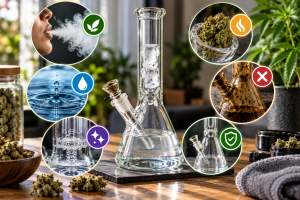
Fresh Water and Clean Glass Work Together
Replacing bong water without cleaning heavily resin-coated glass only solves part of the problem.
Likewise, thoroughly cleaning a bong and then allowing dirty water to sit inside it for days defeats much of the purpose.
The most effective maintenance routine combines both habits.
Use Fresh Bong Water, rinse the chamber regularly, clean removable components, and periodically give the entire device a more thorough cleaning.
This approach can preserve the appearance of glass and prevent excessive residue from becoming difficult to remove.
It can also help an expensive glass piece remain attractive for considerably longer.
Final Thoughts on Fresh Bong Water
Keeping Fresh Bong Water in your piece is one of the simplest aspects of responsible bong maintenance. Regularly replacing water helps control stale odors, removes debris, reduces stagnant buildup, and makes it easier to keep glass clean.
For best results, combine frequent water changes with regular cleaning of the chamber, bowl, downstem, and other removable components. Use cleaning products appropriate for your bong’s material, rinse everything thoroughly, and never mix household cleaning chemicals.
Remember that a clean bong may provide a cleaner-tasting experience, but it does not eliminate the health risks associated with inhaling cannabis smoke.
Adults shopping for cannabis may encounter online retailers such as Supreme Dispensary. Before purchasing, verify that any retailer is legally authorized to sell and deliver cannabis in your jurisdiction rather than relying solely on an online store’s claims or availability. Choosing a regulated source also provides better access to standardized labeling and product information.
Ultimately, the best bong-maintenance habit is also the easiest to remember: don’t wait for the water to become brown and unpleasant. Start with Fresh Bong Water, keep your glass clean, and make basic maintenance part of your routine.