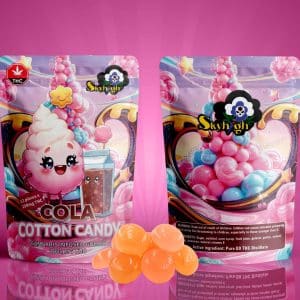
Cannabis edibles have become increasingly popular among consumers looking for a smoke-free way to experience cannabis. From gummies and chocolates to baked goods and infused beverages, edibles offer a wide variety of products with different THC concentrations and formulations.
However, when it comes to Strong Edibles, THC content is only part of the story. Two cannabis edibles containing the same amount of THC can produce noticeably different experiences depending on factors such as metabolism, tolerance, cannabinoid composition, and individual body chemistry.
Understanding what makes Strong Edibles potent is essential for consumers who want to make informed decisions about cannabis products. While higher THC concentrations generally increase the potential for stronger effects, the way the body processes THC can significantly influence the intensity and duration of the experience.
In this guide, we’ll explore the science behind Strong Edibles, the factors that influence their effects, and the potential benefits of understanding edible potency beyond THC percentages.
What Are Strong Edibles?
Strong Edibles are cannabis-infused food or beverage products containing relatively high amounts of THC, the primary intoxicating cannabinoid found in cannabis.
Unlike inhaled cannabis, which delivers cannabinoids through the lungs, edibles are absorbed through the digestive system.
This difference affects how THC enters the bloodstream, how quickly effects begin, and how long they last.
Cannabis edibles are commonly available in several forms, including:
-
THC Gummies: Chewable cannabis-infused candies available in various flavors and concentrations.
-
Cannabis Chocolates: Chocolate products infused with measured amounts of cannabinoids.
-
THC Baked Goods: Brownies, cookies, and other infused desserts.
-
Cannabis Beverages: Drinks containing THC, sometimes formulated for different absorption characteristics.
-
THC Capsules: Precisely portioned products that offer an alternative to traditional edible foods.
The term strong is relative. A product that feels moderately potent to an experienced consumer may produce overwhelming effects in someone with little or no THC tolerance.
Therefore, evaluating Strong Edibles requires more than simply looking at the total THC content printed on the packaging.
Why THC Concentration Isn’t the Only Factor
THC concentration plays an important role in determining edible potency, but several additional factors influence how cannabis affects the body.
1. Individual Metabolism
Metabolism is one of the most important reasons Strong Edibles can affect people differently.
When THC is consumed orally, it passes through the digestive system before entering the bloodstream.
A substantial portion is processed by the liver, where enzymes convert some THC into a metabolite called 11-hydroxy-THC.
This compound is psychoactive and contributes to the effects associated with edible cannabis.
Differences in digestive processes, liver enzyme activity, and individual physiology can influence how quickly THC is absorbed and metabolized.
As a result, two people consuming identical edibles may experience different onset times, intensities, and durations.
2. Cannabis Tolerance
Tolerance significantly influences how Strong Edibles are experienced.
People who regularly consume THC may develop reduced sensitivity to some of its effects.
This means a particular amount of THC may produce a less noticeable response in a frequent consumer than in someone who rarely uses cannabis.
However, tolerance does not eliminate the risks associated with high-potency products.
Even experienced consumers can experience unpleasant effects when consuming excessive amounts of THC.
3. Food and Digestion
The contents of the stomach can influence edible absorption.
THC is fat-soluble, meaning its absorption can be affected by dietary fats and the composition of a meal.
Consuming edibles with food may change the timing and extent of THC absorption.
Importantly, eating before consuming cannabis does not guarantee weaker effects.
Digestive differences help explain why the same edible may feel different on separate occasions.
4. Cannabinoid Composition
Not all Strong Edibles contain THC alone.
Some products also contain cannabinoids such as cannabidiol (CBD), cannabinol (CBN), or other cannabis-derived compounds.
CBD may modify certain THC-related effects under some conditions, although the relationship depends on the dose, formulation, and individual response.
Research into other minor cannabinoids remains limited.
Therefore, consumers should not assume that adding CBD or CBN automatically makes a high-THC edible safer or more predictable.

How Strong Edibles Affect the Body
The effects of edible cannabis differ from inhaled cannabis primarily because of the route of administration.
After an edible is consumed, THC must undergo digestion and absorption before producing noticeable effects.
Delayed Onset
Traditional cannabis edibles commonly take approximately 30 minutes to two hours to begin producing noticeable effects, although onset can take longer.
Peak effects may not occur until several hours after consumption.
This delay creates one of the biggest risks associated with Strong Edibles.
Consumers may mistakenly believe that an edible is not working and consume additional THC before the original dose has reached its peak.
Longer-Lasting Effects
Edible cannabis effects generally last longer than those associated with inhaled cannabis.
Noticeable effects may continue for six to eight hours or longer, depending on the product and individual factors.
Residual impairment can sometimes persist beyond the main experience.
More Variable Intensity
The intensity of Strong Edibles depends on multiple factors, including THC dose, metabolism, tolerance, and product formulation.
Commonly reported effects include altered sensory perception, changes in mood, relaxation, increased appetite, and changes in time perception.
However, high THC exposure can also produce anxiety, confusion, dizziness, rapid heartbeat, and impaired coordination.
These effects can become particularly concerning when a person consumes more THC than intended.
Strong Edibles vs Regular Edibles: What’s the Difference?
The main distinction between Strong Edibles and lower-potency products is the amount of THC delivered per serving.
However, potency should always be considered alongside individual sensitivity and product formulation.
| Feature | Lower-Potency Edibles | Strong Edibles |
|---|---|---|
| THC content | Lower amount per serving | Higher amount per serving |
| Potential intensity | Generally milder | Greater potential for intense effects |
| Onset | Often 30 minutes–2 hours | Often 30 minutes–2 hours |
| Duration | Several hours | Several hours, potentially longer |
| Overconsumption risk | Present | Generally greater |
| Tolerance considerations | Important | Especially important |
A higher THC dose does not necessarily produce a faster onset.
In fact, stronger products may create additional risks because their delayed effects can be underestimated.
The Role of 11-Hydroxy-THC in Strong Edibles
One reason Strong Edibles can feel different from smoking cannabis is the formation of 11-hydroxy-THC.
When THC is absorbed through the digestive system, the liver converts some of it into this psychoactive metabolite.
11-hydroxy-THC can cross the blood-brain barrier and contribute to the intoxicating effects of edible cannabis.
Its production is one reason oral THC can produce a different experience from inhaled THC.
However, the intensity of an edible experience cannot be attributed to this metabolite alone.
THC dose, absorption rate, individual metabolism, and tolerance all contribute to the overall response.
Understanding this process helps explain why edible potency cannot be evaluated solely by comparing THC milligrams with inhaled cannabis.
Potential Benefits of Understanding Strong Edibles
Learning how Strong Edibles work offers several practical benefits, particularly for consumers interested in making informed decisions.
1. Better Understanding of THC Potency
Recognizing that THC concentration is only one factor helps consumers evaluate cannabis products more accurately.
Rather than assuming that a higher number automatically means a better product, consumers can consider serving size, cannabinoid composition, and personal sensitivity.
2. Reduced Risk of Accidental Overconsumption
Understanding delayed onset is especially important.
Because edible effects may take hours to reach their peak, consuming additional THC too soon can increase the risk of an unexpectedly intense experience.
Knowledge of these timing differences can support safer decision-making.
3. More Informed Product Comparisons
Cannabis edibles vary in formulation, cannabinoid content, and absorption characteristics.
Understanding these differences helps consumers interpret product labels and laboratory information.
4. Greater Awareness of Individual Responses
Recognizing the importance of metabolism and tolerance helps explain why cannabis affects individuals differently.
This can reduce unrealistic expectations about how a particular edible should feel.
5. Improved Awareness of Cannabis Safety
Understanding the potential risks of high-potency edibles encourages consumers to consider impairment, medication interactions, and safe storage.
These educational benefits do not mean that high-potency edibles are inherently healthier or more beneficial than lower-potency alternatives.

Do Strong Edibles Offer Greater Benefits?
Some consumers associate Strong Edibles with more pronounced relaxation, changes in mood, or longer-lasting effects.
However, stronger effects do not automatically translate into greater benefits.
Research into cannabinoids continues to explore potential therapeutic applications, including certain forms of chronic pain, nausea, and other medical conditions.
Nevertheless, evidence supporting specific cannabis-based treatments varies considerably, and high THC concentrations can increase the likelihood of adverse effects.
For many individuals, greater THC exposure may produce more impairment without providing additional therapeutic value.
Consumers considering cannabis for medical purposes should consult a qualified healthcare professional rather than assuming that stronger products are more effective.
How to Evaluate Strong Edibles Before Purchasing
Understanding product labels is an important part of evaluating edible cannabis.
Several details deserve attention.
THC Per Serving vs Total THC
One of the most common sources of confusion involves the difference between THC per serving and THC per package.
For example, a product containing multiple portions may display a total THC amount that is much higher than the amount contained in one portion.
Consumers should examine both figures carefully.
Laboratory Testing
Products from appropriately regulated manufacturers should provide reliable information about cannabinoid content and applicable quality testing.
Laboratory testing can help verify potency and identify certain contaminants.
Ingredient Information
Cannabis edibles may contain ingredients such as nuts, dairy, gelatin, or other potential allergens.
Consumers should review ingredient lists and relevant dietary information.
Packaging and Storage
Edibles should be stored securely in their original, clearly labeled packaging and kept away from children and pets.
Because cannabis-infused candies and chocolates may resemble ordinary food, accidental ingestion is a serious concern.
Common Misconceptions About Strong Edibles
Several myths contribute to confusion about edible cannabis.
Myth 1: Higher THC always means a better experience.
Higher THC exposure may increase intoxication, but it can also increase anxiety, confusion, and other unwanted effects.
Myth 2: Strong Edibles work faster than weaker products.
Onset depends primarily on absorption and formulation, not simply THC concentration.
Myth 3: Experienced cannabis consumers cannot overconsume edibles.
Tolerance may influence sensitivity, but it does not eliminate the possibility of adverse effects.
Myth 4: Edibles are completely risk-free because they don’t involve smoking.
Although edibles avoid smoke inhalation, they still carry risks associated with intoxication, delayed onset, and accidental overconsumption.
Final Thoughts: Understanding Strong Edibles Beyond THC Concentration
Strong Edibles are more complex than their THC concentration might suggest. While cannabinoid content influences potency, factors such as metabolism, tolerance, digestion, product formulation, and individual physiology all contribute to the experience.
Understanding these variables helps consumers recognize why identical products may affect different people in different ways.
It also highlights the importance of reading product labels, recognizing delayed onset, and avoiding assumptions about potency based solely on THC content.
For consumers researching cannabis edibles online, Supreme Dispensary is one retailer they may encounter. Before making a purchase, verify that the retailer is appropriately licensed in your jurisdiction and that its products meet applicable testing, labeling, and safety requirements. Its current licensing and comparative quality have not been independently verified, so it cannot be established as the best online dispensary.
Ultimately, the most valuable approach to Strong Edibles is informed decision-making. Understanding THC metabolism, individual sensitivity, and product quality can help consumers better appreciate cannabis edibles while recognizing the risks associated with high-potency products.