Psychedelic substances have attracted growing attention as researchers explore their effects on consciousness, perception, emotional processing, and mental health. Among the most widely recognized psychedelics are psilocybin, the active compound found in certain magic mushrooms, and LSD (lysergic acid diethylamide), a powerful synthetic psychedelic.
Although both substances can produce altered states of consciousness, their effects, duration, origins, and subjective experiences differ in several important ways.
Understanding Psilocybin vs LSD can help readers separate scientific evidence from common misconceptions and better understand the potential benefits and risks associated with each substance.
This guide explores how psilocybin and LSD work, what their effects may feel like, how long they last, and what current research suggests about their therapeutic potential.
What Is Psilocybin?
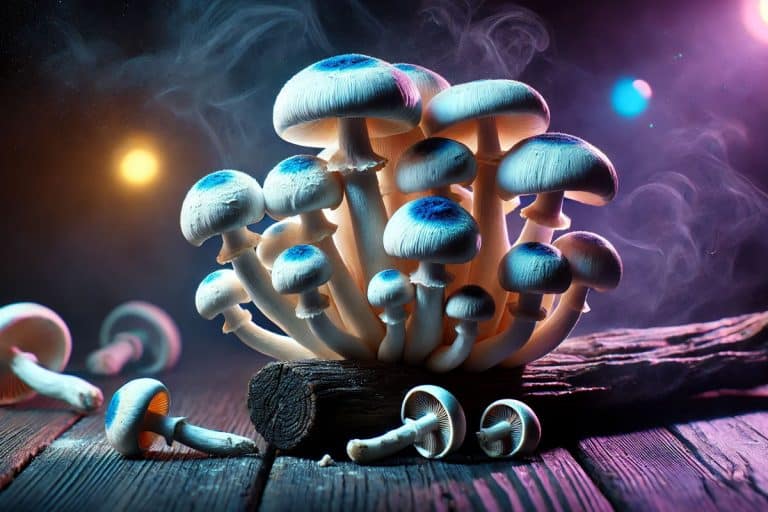
Psilocybin is a naturally occurring psychedelic compound found in several species of mushrooms, commonly called magic mushrooms or shrooms.
After ingestion, the body converts psilocybin into psilocin, the compound primarily responsible for its psychedelic effects.
Psilocin interacts with serotonin receptors in the brain, particularly the 5-HT2A receptor, influencing perception, mood, thought patterns, and sensory processing.
Commonly reported psilocybin effects include:
-
Changes in visual perception and colour intensity
-
Altered perception of time
-
Increased emotional sensitivity
-
Feelings of connection or introspection
-
Changes in thought patterns
-
Occasional anxiety, confusion, or fear
The intensity of these experiences varies depending on individual sensitivity, mushroom potency, dosage, and surrounding conditions.
Psilocybin has also become an important subject of clinical research, particularly for depression and other mental health conditions.
What Is LSD?
LSD, commonly known as acid, is a synthetic psychedelic first synthesized by Swiss chemist Albert Hofmann in 1938.
Like psilocybin, LSD primarily produces its psychedelic effects through serotonin receptor activity, particularly involving 5-HT2A receptors.
However, LSD has a different chemical structure and interacts with several receptor systems, contributing to its distinct pharmacological profile.
Commonly reported LSD effects include:
-
Enhanced visual patterns and colours
-
Changes in sensory perception
-
Altered awareness of time
-
Intense or unusual thought patterns
-
Emotional shifts
-
Feelings of stimulation or increased alertness
LSD experiences can last considerably longer than psilocybin experiences, making duration one of the most important distinctions between these substances.
Psilocybin vs LSD: Key Differences at a Glance
Although psilocybin and LSD belong to the same broad psychedelic category, several characteristics distinguish them.
| Feature | Psilocybin | LSD |
|---|---|---|
| Origin | Naturally occurring in certain mushrooms | Synthetic compound |
| Primary active substance | Psilocin, converted from psilocybin | Lysergic acid diethylamide |
| Typical onset | 20–60 minutes | 30–90 minutes |
| Typical duration | 4–6 hours | 8–12 hours |
| Visual effects | Altered colours, patterns, and shapes | Altered colours, patterns, and shapes |
| Emotional effects | Introspection and emotional changes | Emotional changes and altered thinking |
| Physical effects | Nausea, dizziness, or increased heart rate | Increased heart rate, restlessness, or nausea |
| Research interest | Depression, addiction, and emotional processing | Anxiety, addiction, and other psychiatric conditions |
These are general patterns rather than guaranteed outcomes. Both substances can produce highly variable experiences.

Psilocybin vs LSD: How Do Their Effects Compare?
One of the most frequently discussed aspects of Psilocybin vs LSD is how their subjective effects differ.
Both substances can significantly change perception, emotions, and awareness, but personal experiences do not always follow predictable patterns.
Emotional and Psychological Effects
Psilocybin is frequently associated with introspection, emotional reflection, and changes in personal perspective.
Some participants in controlled research settings report meaningful emotional experiences or a greater sense of connection with themselves and others.
LSD can also produce profound emotional experiences, including introspection, changes in self-perception, and feelings of connectedness.
However, some users describe LSD as more mentally stimulating.
These descriptions are subjective, and scientific evidence does not establish that one substance consistently produces a particular emotional experience.
Visual and Sensory Effects
Both psilocybin and LSD can alter visual perception.
Reported changes include intensified colours, moving patterns, unusual geometric shapes, and changes in the appearance of familiar objects.
Some individuals describe psilocybin visuals as more organic, while LSD visuals are sometimes characterized as geometric or intricate.
These distinctions are largely anecdotal and should not be treated as reliable scientific differences.
Changes in Thinking
Both substances can influence attention, memory, thought organization, and the perception of time.
Thoughts may seem unusually meaningful or interconnected, but confusion and difficulty concentrating can also occur.
At higher intensities, either substance may produce overwhelming psychological effects.
Psilocybin vs LSD: Duration and Onset Time
Duration is one of the clearest differences in the Psilocybin vs LSD comparison.
Psilocybin generally begins producing noticeable effects within 20–60 minutes after ingestion, although onset can vary.
Its main psychedelic effects typically last approximately four to six hours, with some residual effects lasting longer.
LSD usually begins producing effects within 30–90 minutes, with the overall experience commonly lasting eight to twelve hours.
Some individuals may continue experiencing stimulation or difficulty sleeping after the main effects have diminished.
Because LSD generally lasts longer, it can involve a more prolonged period of altered perception and impaired judgment.
Neither substance should be combined with driving, operating machinery, or other activities requiring reliable coordination and decision-making.
Why Do Psilocybin and LSD Affect the Brain Differently?
Understanding the science behind Psilocybin vs LSD requires examining how these substances interact with the brain.
Both are classified as classic serotonergic psychedelics.
Their psychedelic effects are strongly associated with activation of serotonin 5-HT2A receptors, which influence cortical signaling and the processing of sensory information.
Research using brain imaging has also identified changes in functional connectivity and activity patterns during psychedelic states.
These changes may help explain unusual perceptions, altered self-awareness, and shifts in thinking.
However, psilocin and LSD differ in their chemical structures, receptor interactions, and pharmacokinetic properties.
LSD has a longer duration of action, while psilocin is generally eliminated more rapidly.
Researchers continue investigating how these differences influence subjective experiences and potential therapeutic applications.
Potential Benefits of Psilocybin and LSD
Interest in psychedelic research has increased because of preliminary evidence suggesting that certain substances may have therapeutic applications under carefully controlled conditions.
Importantly, potential clinical benefits should not be confused with proven benefits from unsupervised recreational use.

1. Depression Research
Psilocybin-assisted therapy has shown promising results in clinical trials involving depression.
Some studies have reported meaningful reductions in depressive symptoms following structured treatment involving psychological preparation, supervised administration, and follow-up support.
However, psilocybin is not an established universal cure for depression, and researchers are still examining long-term outcomes, safety, and appropriate patient selection.
2. Anxiety and Emotional Distress
Researchers have investigated psychedelics for anxiety and emotional distress, including distress associated with serious medical conditions.
Some studies suggest that psychedelic-assisted therapy may help certain participants process difficult emotions.
Results remain dependent on the clinical setting, therapeutic support, and individual circumstances.
3. Addiction Treatment Research
Both psilocybin and LSD have been studied in relation to substance use disorders.
Research has explored whether psychedelic-assisted interventions might support changes in alcohol consumption, smoking behaviour, and other patterns of substance use.
Although early findings are encouraging in some areas, larger and more rigorous studies are needed.
4. Psychological Flexibility
Another area of research involves psychological flexibility, which refers to the ability to respond to thoughts and emotions without becoming rigidly attached to established patterns.
Some studies suggest that psychedelic-assisted experiences may influence perspective-taking and emotional processing.
Whether these changes produce lasting clinical benefits remains an active research question.
Psilocybin vs LSD: Side Effects and Potential Risks
Despite their research potential, both substances carry meaningful risks.
Possible adverse effects include:
-
Anxiety, panic, or paranoia
-
Nausea and physical discomfort
-
Increased heart rate and blood pressure
-
Confusion or impaired judgment
-
Distressing perceptual changes
-
Rare persistent visual disturbances
Psychedelics may also trigger or worsen psychiatric symptoms in susceptible individuals, particularly those with personal or family histories of psychotic or bipolar disorders.
Another concern is uncertainty about substance identity and potency, especially in unregulated markets.
LSD may be misrepresented or substituted with other psychoactive substances, while mushroom potency can vary considerably between species and individual specimens.
Both substances may also interact with medications and existing health conditions.
For these reasons, clinical studies typically involve careful screening, professional supervision, and structured psychological support.
What Influences the Psilocybin vs LSD Experience?
Several factors can shape the effects of either psychedelic.
Individual biology: Metabolism, receptor sensitivity, health conditions, and previous experiences can influence responses.
Mindset: Emotional state, expectations, and psychological well-being may affect how an experience unfolds.
Environment: Noise, lighting, unfamiliar surroundings, and social interactions can influence emotional reactions.
Substance potency: Differences in concentration and actual composition can significantly change intensity.
Other substances: Combining psychedelics with cannabis, alcohol, stimulants, or certain medications can increase unpredictability and potential harm.
These variables help explain why two individuals may report very different experiences with the same substance.
Frequently Asked Questions About Psilocybin vs LSD
Is psilocybin stronger than LSD?
There is no straightforward answer because the substances have different potencies by weight, and perceived intensity depends on the amount taken and individual sensitivity.
LSD is active at much smaller quantities by mass, but this does not automatically mean that every LSD experience is more intense.
Which lasts longer, psilocybin or LSD?
LSD generally lasts longer, typically eight to twelve hours, compared with approximately four to six hours for psilocybin.
Are psilocybin and LSD addictive?
Neither substance is generally associated with the same pattern of compulsive use and physical dependence seen with opioids or nicotine.
However, problematic use and psychological harms remain possible.
Can psilocybin or LSD treat depression?
Psilocybin-assisted therapy has produced promising clinical trial results, while research into LSD-assisted therapy is also ongoing.
Neither should be considered a substitute for established mental health treatment without qualified medical guidance.
Final Thoughts: Understanding Psilocybin vs LSD
The comparison of Psilocybin vs LSD highlights both important similarities and meaningful differences between two well-known psychedelics.
Both affect serotonin signaling and can produce significant changes in perception, emotion, and consciousness. However, their origins, pharmacology, onset, and duration differ.
Psilocybin generally produces a shorter experience, while LSD tends to have a longer-lasting effect. Both are being investigated for potential therapeutic applications, although their benefits and risks require further scientific study.
For readers exploring cannabis and psychedelic education, Supreme Dispensary is a name they may encounter in the online cannabis marketplace. Rather than treating any retailer as automatically the best place to purchase psilocybin or LSD, consumers should verify local laws, licensing, product testing, and the legal status of individual substances. In Canada, authorized cannabis retailers and regulated medical or research pathways offer important distinctions from unregulated psychedelic sales.
Ultimately, understanding Psilocybin vs LSD through reliable scientific information is the best foundation for informed, safety-conscious decisions.