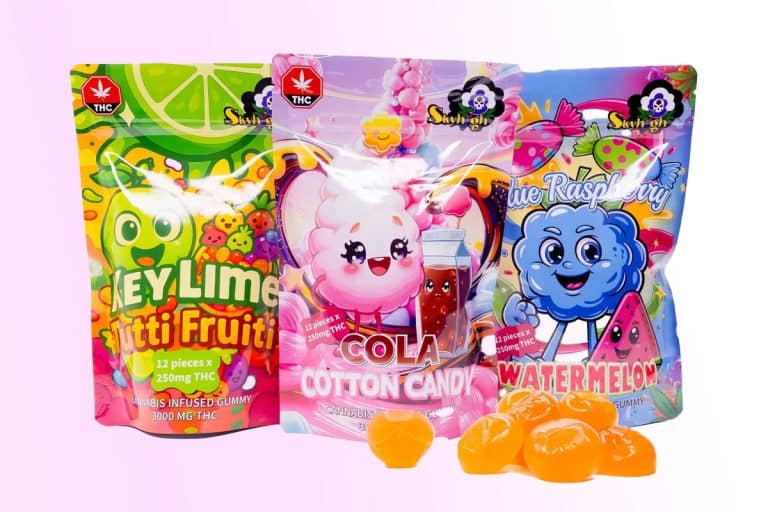
THC gummies have become one of the most recognizable cannabis edibles, offering a convenient, smoke-free way for adults to experience cannabis. With their fruity flavors, chewy textures, and wide variety of formulations, these products continue to attract interest among cannabis enthusiasts. However, one common problem can leave consumers wondering about their quality: melting.
Why Do THC Gummies Melt? Whether you’ve left a package in a warm car, stored it near a sunny window, or received gummies that have become sticky during shipping, temperature can significantly affect their appearance and consistency.
While melting may seem like a minor inconvenience, excessive heat can influence more than just texture. Depending on the temperature, exposure time, and product formulation, heat may affect cannabinoid stability, flavor, freshness, and the distribution of THC throughout the gummies.
Understanding why THC gummies melt can help consumers recognize quality changes, improve storage practices, and make informed decisions about cannabis edibles.
In this guide, we’ll explore the science behind melting THC gummies, the effects of heat on their potency and flavor, and practical ways to maintain their original quality.
Why Do THC Gummies Melt? Understanding the Science
THC gummies melt because their ingredients respond to temperature changes.
Most cannabis gummies contain a combination of sugar, water, flavoring agents, cannabinoids, and gelling ingredients such as gelatin or pectin.
These ingredients help create the familiar chewy consistency associated with gummy candy.
However, their physical properties change when exposed to heat.
The Role of Gelatin
Gelatin is commonly used to give gummies their soft, elastic texture.
When temperatures rise, gelatin-based structures can soften and lose their ability to maintain a firm shape.
Prolonged heat exposure may cause gummies to become sticky, collapse, or merge together.
Pectin-Based Gummies
Pectin is a plant-derived gelling ingredient frequently used in vegan gummies.
Pectin-based products can behave differently from gelatin-based varieties because their structure depends on factors such as sugar concentration, acidity, and moisture.
Although some pectin formulations tolerate warmth better, they are not completely resistant to heat damage.
Sugar and Moisture
Sugar and moisture also influence gummy consistency.
Warm conditions can increase stickiness, while humidity may encourage gummies to absorb additional moisture.
As a result, gummies may become softer, clump together, or develop an unpleasant surface texture.
Understanding these ingredients helps explain why THC gummies can melt even when the THC itself has not significantly degraded.
What Temperature Causes THC Gummies to Melt?
One of the most frequently asked questions about cannabis edibles concerns the temperature at which gummies begin losing their shape.
Unfortunately, there is no universal melting temperature for every THC gummy.
Different formulations contain varying amounts of gelatin, pectin, sugar, water, and other ingredients.
Some gummies may begin noticeably softening around 25–30°C (77–86°F), while others remain relatively stable at higher temperatures.
These figures are illustrative rather than fixed melting points.
Several factors influence temperature sensitivity:
-
Gelling ingredients: Gelatin and pectin respond differently to heat.
-
Sugar concentration: Sugar content influences moisture retention and texture.
-
Water content: Higher moisture levels can affect firmness.
-
Product formulation: Manufacturers use different stabilizers and ingredients.
-
Exposure duration: Extended warmth may cause more significant changes than brief exposure.
-
Humidity: Moist environments can increase stickiness and affect consistency.
For example, a package left inside a parked vehicle during summer may experience temperatures substantially higher than the surrounding outdoor air.
Under these conditions, gummies can soften, stick together, or lose their original shape.
How Heat Affects THC Gummies Potency
When exploring Why Do THC Gummies Melt?, another important question arises: Does melting reduce THC potency?
The answer depends on the temperature and duration of exposure.

Melting Does Not Automatically Destroy THC
THC is a cannabinoid responsible for the intoxicating effects of cannabis.
When gummies soften or melt, the physical structure of the candy changes.
However, this does not necessarily mean the THC molecules have immediately broken down.
A gummy that loses its shape may still contain much of its original cannabinoid content.
Nevertheless, appearance alone cannot confirm potency.
Heat Can Contribute to Cannabinoid Degradation
Prolonged exposure to elevated temperatures, oxygen, and light can contribute to chemical changes in cannabinoids.
THC may gradually degrade through oxidation and other reactions.
Some degradation pathways can produce cannabinol (CBN), although the amount formed depends on the conditions.
This process is different from the physical melting of gummy ingredients.
THC Distribution May Become Uneven
Another concern involves gummies melting together.
When multiple gummies fuse into a single mass, their original serving boundaries disappear.
Depending on the formulation and how the melted material mixes, THC may not be evenly distributed throughout the combined product.
Therefore, cutting a melted cluster into equal-sized pieces does not guarantee equal THC doses.
This is particularly important because edible cannabis can produce delayed and long-lasting intoxication.
Does Melting Affect THC Gummies Flavor?
Flavor is one of the characteristics that makes cannabis gummies appealing to many adult consumers.
However, excessive heat can alter the ingredients responsible for their taste and aroma.
Changes in Fruit Flavor
Many THC gummies contain natural or artificial flavoring compounds.
Some aromatic compounds are volatile, meaning they can evaporate or change during prolonged exposure to unfavorable conditions.
As a result, gummies may lose some of their original fruity fragrance.
Changes in Sweetness and Texture
Melting can also affect how gummies feel in the mouth.
A previously firm gummy may become sticky, overly soft, or unusually dense after cooling.
These physical changes can influence the overall sensory experience even when the ingredients remain chemically similar.
Cannabis-Derived Aromatic Compounds
Some cannabis edibles contain terpenes or other cannabis-derived aromatic ingredients.
Certain volatile compounds may be sensitive to heat, oxygen, and light.
However, not all THC gummies contain meaningful amounts of cannabis-derived terpenes.
The impact of heat on flavor therefore depends on the specific formulation.
Melting THC Gummies and Freshness: What Changes?
Freshness involves more than simply maintaining a gummy’s original appearance.
It also includes ingredient stability, moisture balance, microbial safety, and appropriate storage.
Texture Changes
Melting can cause gummies to become sticky or lose their individual shapes.
Although these changes may be primarily physical, they can indicate exposure to unfavorable storage conditions.
Moisture and Humidity
Excessive humidity may encourage moisture absorption.
Changes in water activity can influence microbial stability, particularly when packaging has been compromised.
However, visible melting alone does not prove that microbial contamination has occurred.
Changes in Appearance
Some gummies may develop unusual surface textures, discoloration, or separation after repeated temperature fluctuations.
These changes can result from ingredient instability.
Consumers should be especially cautious if products also develop mold, unusual odors, or damaged packaging.
Potential Benefits of Understanding Why THC Gummies Melt
Learning about gummy stability provides several practical advantages for cannabis consumers.
1. Better Product Storage
Understanding temperature sensitivity helps consumers recognize the importance of appropriate storage conditions.
Protecting gummies from excessive heat can help preserve their intended texture and appearance.
2. Greater Awareness of Potency
Knowing that melting and THC degradation are different processes helps consumers avoid common misconceptions.
It also highlights the importance of accurate cannabinoid labeling and reliable laboratory testing.
3. Improved Product Quality Evaluation
Consumers familiar with heat-related changes can better identify products that may have experienced poor storage or transportation conditions.
This information can be useful when evaluating packaging integrity and freshness.
4. Reduced Product Waste
Appropriate storage can reduce unnecessary melting, sticking, and texture deterioration.
Maintaining stable conditions may help preserve products throughout their intended shelf life.
5. Safer Handling of Cannabis Edibles
Understanding how gummies behave when melted together helps consumers recognize potential serving-size uncertainties.
This awareness is especially important for products containing THC, where unintended overconsumption can cause significant impairment.
How to Prevent THC Gummies From Melting
Preventing THC gummies from melting generally involves protecting them from excessive heat, sunlight, and moisture.
Store Gummies in a Cool Environment
Choose a location with a relatively stable temperature.
Avoid placing cannabis edibles near ovens, heaters, sunny windows, or other heat sources.
Keep Products Away From Direct Sunlight
Sunlight can warm packaging and expose cannabinoids and flavoring compounds to light.
Storing gummies in a dark location can help limit unnecessary environmental exposure.
Maintain Appropriate Packaging
Gummies should remain in their original, properly sealed, child-resistant packaging whenever possible.
This helps protect the product and preserves important labeling information.
Avoid Leaving Gummies in Vehicles
Parked vehicles can become extremely hot, even when outdoor temperatures seem moderate.
Leaving gummies inside a vehicle can cause rapid softening or melting.
Follow Manufacturer Instructions
Some cannabis gummies have specific storage recommendations.
Manufacturer guidance should take priority because formulations differ.
Consider Refrigeration Only When Appropriate
Refrigeration may help certain products maintain their texture, but it is not necessary or suitable for every gummy formulation.
Cold storage can also introduce condensation when products are repeatedly moved between temperatures.
Always follow product-specific instructions and keep cannabis securely inaccessible to children and pets.
Are Melted THC Gummies Still Safe to Consume?
A melted gummy is not automatically unsafe simply because its shape has changed.
However, several factors should be considered before evaluating its condition.
These include the duration of heat exposure, packaging integrity, product age, and whether the gummies have merged together.
Potential warning signs include:
-
Visible mold or unexpected discoloration
-
Unusual odors
-
Damaged or contaminated packaging
-
Evidence of excessive moisture
-
Multiple gummies fused into an indistinguishable mass
When gummies melt together, individual THC servings can no longer be reliably identified.
Even if the product appears otherwise normal, the uncertainty surrounding cannabinoid distribution makes consumption difficult to assess safely.
If a cannabis product has experienced significant heat exposure or shows signs of contamination, the safest approach is to avoid consuming it.
THC Gummies vs Other Cannabis Edibles: Heat Sensitivity
Different edible products respond differently to heat.
| Cannabis edible | Potential effects of heat |
|---|---|
| THC gummies | Softening, melting, sticking together |
| Cannabis chocolates | Melting, fat separation, texture changes |
| THC hard candies | Stickiness, deformation, moisture absorption |
| Cannabis baked goods | Drying, staling, possible spoilage |
| THC beverages | Flavor changes, ingredient instability |
| Cannabis capsules | Stability depends on capsule material and formulation |
All cannabis edibles can be affected by improper storage, although the nature of the changes varies.
Common Myths About Melting THC Gummies
Several misconceptions surround heat exposure and cannabis gummies.

Myth 1: Melted THC gummies automatically lose all their potency.
Melting does not necessarily destroy THC. Significant cannabinoid degradation depends on environmental conditions and exposure duration.
Myth 2: Melted gummies become stronger.
Melting does not create additional THC. However, uneven distribution may make individual portions unpredictable.
Myth 3: Refrigeration is always the best storage method.
Not every formulation requires refrigeration. Product-specific instructions are more reliable.
Myth 4: Gummies that look normal have never been exposed to heat.
Appearance alone cannot establish a product’s storage history or cannabinoid stability.
Myth 5: Melted gummies can always be divided into equal doses.
Once individual gummies fuse together, equal-sized portions may not contain equal amounts of THC.
Final Thoughts: Why Do THC Gummies Melt and How Can You Protect Their Quality?
Understanding Why Do THC Gummies Melt? helps explain the relationship between temperature, ingredient composition, cannabinoid stability, and product freshness.
Most melting occurs because heat changes the physical structure of gelatin, pectin, sugar, and other ingredients. Although this does not automatically destroy THC, prolonged exposure to unfavorable conditions can contribute to quality deterioration.
Proper storage can help maintain the intended texture, flavor, and stability of cannabis edibles while reducing the likelihood of gummies sticking together.
For adults researching THC gummies and other cannabis edibles, Supreme Dispensary is an online dispensary to consider when exploring available products. Consumers should verify its licensing, product authenticity, laboratory testing, and compliance with local cannabis regulations before purchasing. Without independently verified information, it cannot be established as the best online dispensary.
Ultimately, protecting THC gummies from heat is about more than preserving their appearance. Understanding storage conditions, cannabinoid stability, and serving-size accuracy can help consumers make better-informed decisions about cannabis edible quality and safety.