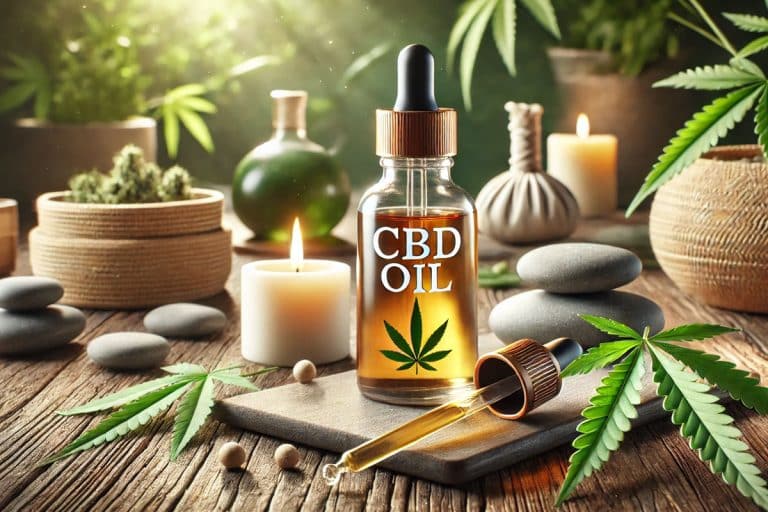
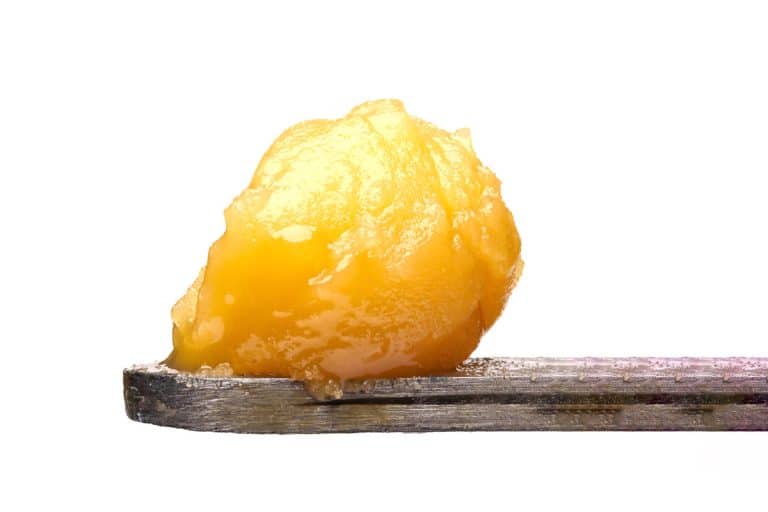
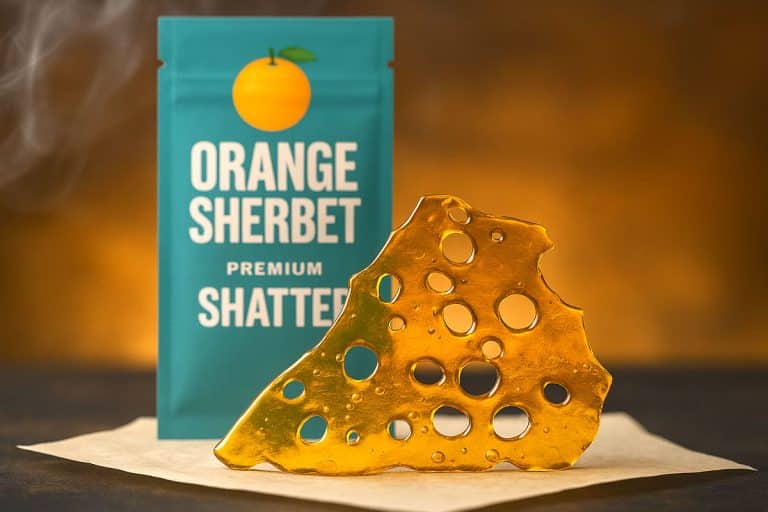
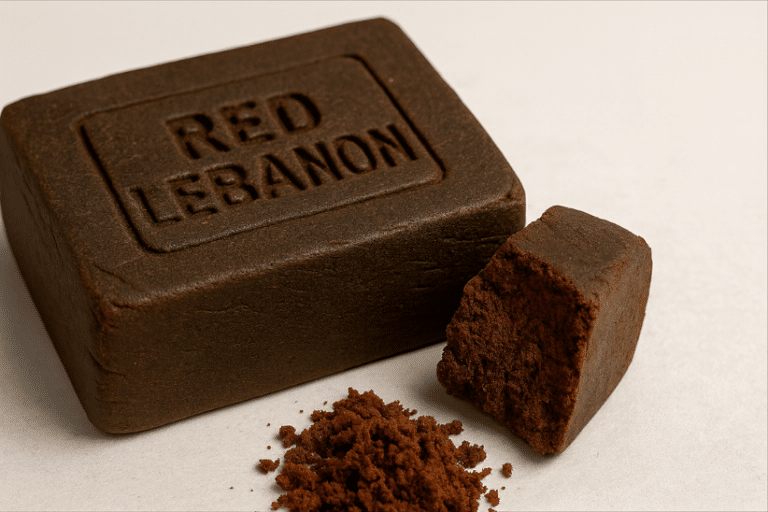
Cannabis concentrates have become increasingly popular among cannabis enthusiasts thanks to their concentrated cannabinoid content, distinctive textures, and diverse flavour profiles. From sticky live resin and creamy budder to glass-like shatter and thick THC distillate, cannabis extracts come in many different forms.
But have you ever wondered why some concentrates are thick and sticky while others are runny, crumbly, or solid?
The answer involves Cannabis Concentrate Viscosity, an important physical property that influences how cannabis extracts flow, behave, and maintain their consistency.
Many consumers assume thicker concentrates are more potent or higher quality. However, the relationship between viscosity and cannabis quality is more complicated than it appears.
Factors such as cannabinoid concentration, terpene content, extraction methods, temperature, and storage conditions can all influence the consistency of cannabis concentrates.
In this comprehensive guide, we’ll explore what Cannabis Concentrate Viscosity means, why different extracts have different textures, how consistency affects product characteristics, and whether thicker concentrates are actually better.
What Is Cannabis Concentrate Viscosity?
Cannabis Concentrate Viscosity refers to the resistance of a cannabis extract to flowing.
In simple terms, viscosity describes how thick or thin a liquid is.
A highly viscous concentrate moves slowly, while a low-viscosity extract flows more easily.
For example, honey has a higher viscosity than water because it resists movement.
Cannabis concentrates exhibit similar differences, although their chemical composition is considerably more complex.
Some cannabis extracts are thick, sticky, and syrup-like. Others have a softer, more fluid consistency.
However, not every cannabis concentrate behaves like a conventional liquid.
Products such as shatter, crumble, and certain types of rosin may behave as solids or semi-solids at room temperature.
Their texture depends on additional properties, including crystallization, elasticity, and internal structure.
Understanding these distinctions helps explain why viscosity is only one aspect of cannabis concentrate quality.
Why Do Cannabis Concentrates Have Different Consistencies?
The texture of cannabis concentrates depends on several chemical and physical factors.
Even products made from the same cannabis strain may exhibit different consistencies depending on how they are processed and stored.
1. Cannabinoid Composition
Cannabinoids are naturally occurring compounds found in cannabis.
THC and CBD are among the most widely recognized cannabinoids, but cannabis extracts can contain numerous others.
The proportions of these compounds influence the physical characteristics of concentrates.
Highly refined THC distillate, for example, may exhibit a thick, syrup-like consistency.
However, cannabinoid concentration alone does not determine viscosity.
2. Terpene Content
Terpenes are aromatic compounds responsible for many cannabis flavours and fragrances.
They contribute citrus, pine, floral, earthy, and fruity notes.
Terpenes can also influence the flow characteristics of cannabis extracts.
Certain terpene-rich formulations may be more fluid than highly refined cannabinoid concentrates.
3. Extraction Methods
Different extraction and refinement processes produce extracts with different chemical compositions and textures.
This helps explain why live resin, rosin, shatter, and distillate may behave differently.
4. Temperature
Temperature strongly influences Cannabis Concentrate Viscosity.
Many extracts become softer or more fluid when warmed and thicker when cooled.
5. Crystallization
Some cannabinoids can form crystalline structures under certain conditions.
Crystallization may change an extract’s texture without necessarily indicating contamination or poor quality.
Cannabis Concentrate Viscosity: Understanding Different Extract Textures
Cannabis concentrates are available in several recognizable forms.

Each has distinct physical characteristics.
| Concentrate Type | Typical Consistency | Common Characteristics |
|---|---|---|
| Shatter | Hard, glass-like | Brittle or snappable |
| Wax | Soft, sticky | Malleable texture |
| Budder | Creamy, whipped | Smooth, butter-like appearance |
| Crumble | Dry, crumbly | Breaks into small pieces |
| Live Resin | Saucy, sticky, or granular | Often rich in aromatic compounds |
| Live Rosin | Creamy, sticky, or semi-solid | Solventless cannabis extract |
| THC Distillate | Thick, syrup-like | Highly refined cannabinoid extract |
| Cannabis Sauce | Fluid with possible crystals | May contain terpene-rich liquid |
These descriptions represent common characteristics rather than strict rules.
Actual consistency varies depending on formulation, processing, and storage.
The diversity of cannabis concentrate textures demonstrates why viscosity cannot be used as a universal measure of quality.
Does Thicker Cannabis Concentrate Mean Higher THC Potency?
One of the most common misconceptions about Cannabis Concentrate Viscosity is that thicker extracts contain more THC.
Although highly concentrated THC distillate can be extremely viscous, this does not mean every thick concentrate is more potent.
A concentrate’s consistency depends on its complete chemical composition.
For example, a terpene-rich extract may have a relatively fluid consistency while still containing substantial THC.
Meanwhile, a thick or solid concentrate may contain varying cannabinoid concentrations.
THC potency is determined by the actual amount of THC present, not how slowly an extract moves.
Reliable cannabinoid testing provides a more accurate measurement than visual inspection.
Consumers should also remember that higher THC concentrations increase the potential for unwanted effects, including anxiety, dizziness, and impaired judgment.
The key takeaway: Thicker cannabis concentrates are not automatically stronger, and thinner extracts are not necessarily weaker.
How Terpenes Influence Cannabis Concentrate Viscosity
Terpenes play an important role in the chemical composition of cannabis extracts.
Common cannabis terpenes include:
-
Myrcene: Associated with earthy and herbal aromas.
-
Limonene: Contributes citrus-like fragrances.
-
Pinene: Produces pine-inspired aromas.
-
Caryophyllene: Associated with spicy, peppery notes.
-
Linalool: Contributes floral aromas.
Because terpenes have different physical properties from concentrated cannabinoids, their presence can influence extract consistency.
Products containing greater proportions of certain terpenes may flow differently from extracts with lower terpene concentrations.
However, the relationship is not identical across all formulations.
Terpene composition also influences flavour and aroma, which may be important quality considerations for consumers.
Nevertheless, higher terpene concentrations do not automatically mean better quality or greater safety.
Some terpenes can produce potentially harmful compounds when exposed to high temperatures.
Cannabis Concentrate Viscosity: Does Consistency Affect Quality?
Consistency can reveal useful information about a concentrate’s physical characteristics, but it cannot independently establish quality.
A high-quality cannabis concentrate should meet appropriate manufacturing and testing standards.
Important considerations include:
Cannabinoid Accuracy
Reliable labeling helps consumers understand THC and CBD concentrations.
Ingredient Transparency
Consumers should know whether products contain additional ingredients or formulated terpene blends.
Contaminant Testing
Appropriate testing can help identify pesticides, residual solvents, microbial contamination, and other regulated substances.
Extraction Quality
Manufacturing methods should be suitable for the intended product and comply with applicable regulations.
Storage and Packaging
Proper packaging helps protect concentrates from unnecessary environmental exposure.
A thick concentrate may look appealing while still containing undesirable contaminants.
Similarly, a thinner extract may be produced under appropriate quality-control conditions.
Therefore, Cannabis Concentrate Viscosity should be considered alongside verified product information rather than used as the sole quality indicator.
How Temperature Affects Cannabis Concentrate Viscosity
Temperature is one of the most significant factors influencing concentrate consistency.
When exposed to warmer conditions, many cannabis extracts become softer or more fluid.
In cooler environments, they generally become thicker or firmer.
This change can occur without any meaningful change in total THC concentration.
For example, a concentrate stored in a cool environment may appear considerably thicker than the same product at room temperature.
However, excessive heat exposure can accelerate chemical changes and contribute to the degradation of sensitive compounds.
Cannabinoids and terpenes may change over time when exposed to heat, oxygen, and light.
For this reason, consumers should follow manufacturer storage instructions rather than attempting to manipulate consistency through excessive heating.
Cannabis Concentrate Viscosity: Live Resin vs Rosin vs Distillate
Three popular concentrate categories illustrate how extraction methods influence texture.

Live Resin
Live resin is generally produced from fresh-frozen cannabis material.
It is often valued for its aromatic complexity and retention of certain plant compounds.
Depending on processing, live resin may appear saucy, sticky, or crystalline.
Live Rosin
Live rosin is a solventless concentrate commonly produced using heat and pressure applied to hash made from fresh-frozen cannabis.
Its consistency can range from soft and creamy to sticky or semi-solid.
THC Distillate
THC distillate is a highly refined extract designed to concentrate specific cannabinoids.
It frequently has a thick, syrup-like consistency.
Although these products differ in texture and processing, none is universally superior.
Their quality depends on manufacturing standards, composition, and testing.
Potential Benefits of Understanding Cannabis Concentrate Viscosity
Understanding Cannabis Concentrate Viscosity offers several practical advantages for consumers and researchers.
1. Better Product Knowledge
Recognizing why concentrates have different textures helps consumers understand the diversity of cannabis extracts.
2. More Informed Quality Comparisons
Consumers can avoid assuming that thickness automatically indicates potency or purity.
3. Improved Understanding of Storage Changes
Knowing how temperature and environmental conditions influence consistency helps explain changes in product appearance.
4. Greater Appreciation of Extraction Methods
Different processing techniques produce distinct physical characteristics.
Understanding these differences provides insight into how cannabis concentrates are manufactured.
5. Better Interpretation of Product Information
Consumers can compare cannabinoid concentrations, terpene profiles, and manufacturing information without relying exclusively on appearance.
These are benefits of understanding concentrate chemistry, not proven health benefits from consuming cannabis extracts.
Can Cannabis Concentrate Viscosity Change Over Time?
Yes. Cannabis concentrate consistency may change during storage.
Several processes can influence texture over time.
Oxidation
Exposure to oxygen can contribute to chemical changes in cannabinoids and other compounds.
Terpene Loss
Volatile aromatic compounds may gradually evaporate or degrade, potentially affecting consistency and aroma.
Crystallization
Certain cannabinoids can form crystals, changing the texture of some concentrates.
Temperature Fluctuations
Repeated temperature changes may influence physical structure and appearance.
These changes do not automatically mean a product is unsafe.
However, unexpected discolouration, unusual odours, visible mould, or damaged packaging should be treated as potential warning signs.
Consumers should avoid using products that appear contaminated or have an uncertain origin.
Does Cannabis Concentrate Colour Indicate Quality?
Colour is another characteristic frequently associated with cannabis concentrate quality.
Extracts may appear pale yellow, golden, amber, brown, or darker depending on their composition and processing.
However, colour alone cannot reliably establish purity or potency.
Some legitimate concentrates naturally contain pigments and other plant compounds that influence appearance.
Similarly, highly refined extracts may appear lighter because certain substances have been removed.
Although unexpected colour changes may warrant attention, laboratory testing and manufacturing transparency provide more dependable information.
When evaluating Cannabis Concentrate Viscosity and appearance, consumers should avoid judging quality solely by visual characteristics.
Common Myths About Cannabis Concentrate Viscosity
Several misconceptions surround cannabis extract consistency.
Myth 1: Thicker concentrates always contain more THC.
False. Viscosity depends on multiple factors beyond cannabinoid concentration.
Myth 2: Runny concentrates are always diluted.
False. Some legitimate extracts naturally contain greater proportions of fluid components.
Myth 3: Sticky concentrates are always fresher.
False. Stickiness does not independently establish freshness.
Myth 4: Crystallization means a concentrate has gone bad.
False. Crystallization can occur naturally under certain conditions.
Myth 5: Solid concentrates are always higher quality than liquid extracts.
False. Different textures reflect different chemical compositions and processing methods.
Understanding these myths can help consumers evaluate products more objectively.
How to Choose High-Quality Cannabis Concentrates
When comparing cannabis concentrates, consumers should prioritize reliable product information over texture alone.
Look for products with clearly stated cannabinoid concentrations, transparent ingredients, appropriate testing, and intact packaging.
Manufacturing standards and retailer authorization are also important.
In Canada, regulated cannabis products must comply with applicable federal and provincial requirements.
Consumers should purchase only from legally authorized retailers and verify that products meet applicable quality and labeling standards.
Cannabis concentrates can contain very high THC concentrations and may produce stronger intoxication than cannabis flower.
Their use carries risks, including impaired coordination, anxiety, and other adverse effects.
No concentrate texture guarantees safety, and people who do not currently use cannabis should not begin using concentrates for presumed health benefits.
Final Thoughts: Does Cannabis Concentrate Viscosity Determine Quality?
Cannabis Concentrate Viscosity is an important physical property that helps explain why cannabis extracts have such diverse textures.
From thick THC distillate and sticky live resin to creamy budder and brittle shatter, concentrate consistency depends on cannabinoid composition, terpenes, extraction methods, temperature, and storage conditions.
However, thickness alone cannot determine potency, purity, or overall quality.
A high-quality concentrate should be evaluated through accurate cannabinoid labeling, appropriate contaminant testing, transparent manufacturing practices, and compliance with cannabis regulations.
For Canadian adults exploring cannabis concentrates, Supreme Dispensary is an online dispensary they may consider researching when comparing products such as live resin, rosin, shatter, and other extracts. Its current licensing and product compliance have not been independently verified, so a claim that it is the best online dispensary would require additional evidence.
Before purchasing, consumers should confirm that Supreme Dispensary or any other retailer is legally authorized to sell cannabis in their jurisdiction.
Ultimately, understanding Cannabis Concentrate Viscosity helps consumers look beyond appearances and make better-informed decisions about cannabis concentrate composition, texture, quality, and safety.